
Project Information
| Project Name | Innovative and Sustainable Clustering in the Olive Value Chain Project (OASIS) |
| Contracting Authority | European Innovation Council and SMEs Executive Agency (EISMEA) |
| Programme | European Agri-Food Sustainability Cluster Partnerships |
| Implementation Period | 16/05/2024 – 15/05/2027 (36 Months) |
| Project Coordinator | İzmir Commodity Exchange (İTB) |
| Project Partners | İzmir Agricultural Technology Center (İTTM), Unioncamere Puglia, Centro Tecnológico Nacional de la Conserva (CTNC), Mediterranean Agronomic Institute of Bari (CIHEAM Bari), Camera di Commercio e Industria Italiana per la Spagna (CCIS) |
| Project Budget | €997,764.30 |
Project Summary
The Innovative and Sustainable Clustering in the Olive Value Chain Project (OASIS), supported by the European Innovation Council and SMEs Executive Agency (EISMEA) under the Single Market Programme (SMP), is being implemented by a consortium of partners from Türkiye, Italy and Spain under the coordination of İzmir Commodity Exchange.
The project will be implemented for 36 months, from May 16, 2024, to May 15, 2027. It aims to enhance the production and management capabilities of SMEs operating in the olive sector, increase their adoption of technological methods and establish sustainable clustering structures.
General Objectives
The project aims to reach 150 SMEs operating in the olive sector and enhance their competencies in identified areas.
It aims to establish and develop European Agri-Food Sustainability Cluster Partnerships to facilitate SMEs’ adaptation to European Union practices related to sustainable food businesses and marketing.
In line with the Farm to Fork Strategy’s objective of promoting sustainability, the project aims to reduce the vulnerability of olive cultivation to climate change.
The project aims to identify and implement measures that improve material efficiency in processing, including the prevention and reduction of food waste, while supporting SMEs in adopting technological applications that enhance the efficient use of resources.
By developing new strategies that improve resource efficiency and reduce waste, the project aims to optimize the food supply chain, reduce production costs and promote a more competitive and resilient market environment.
Activities
A sustainable assessment methodology will be developed for the olive sector.
Previously implemented good practices will be identified and disseminated among SMEs.
A cooperation network will be established among agri-food technology centers.
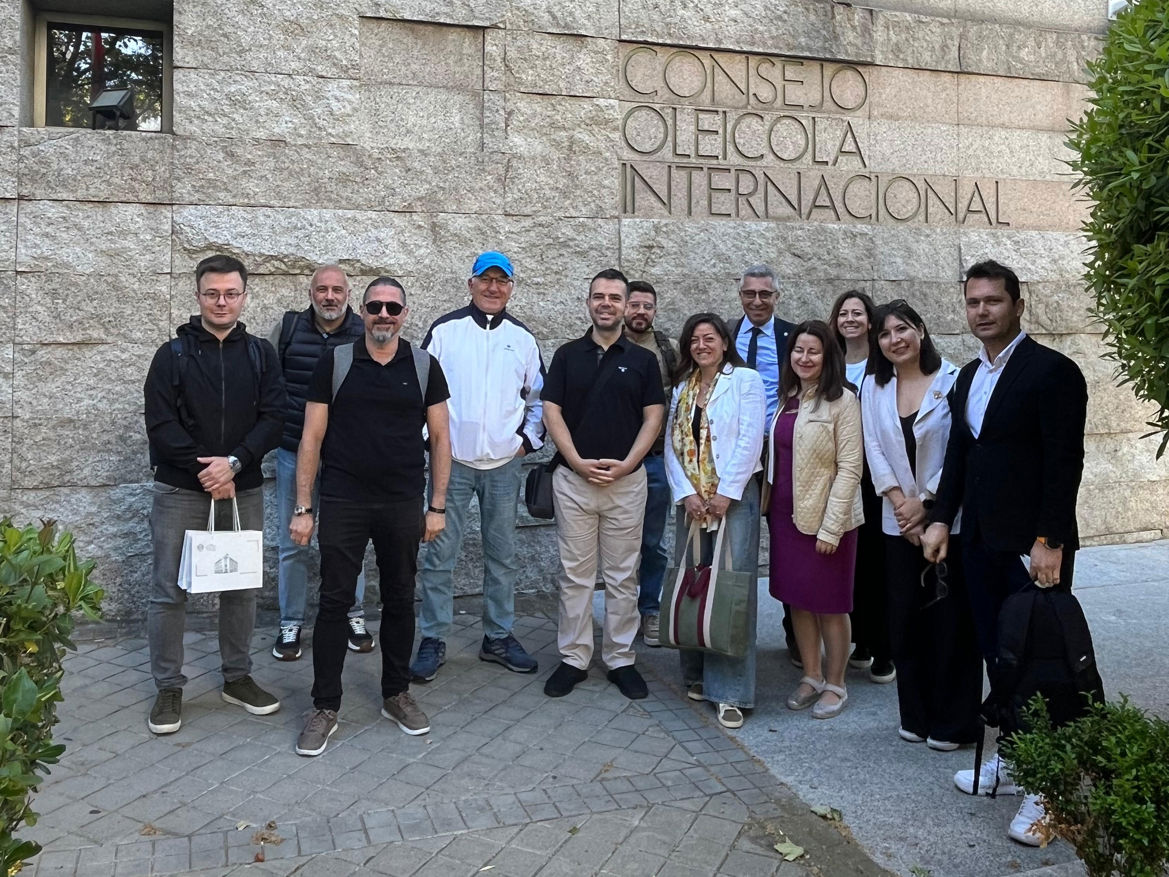
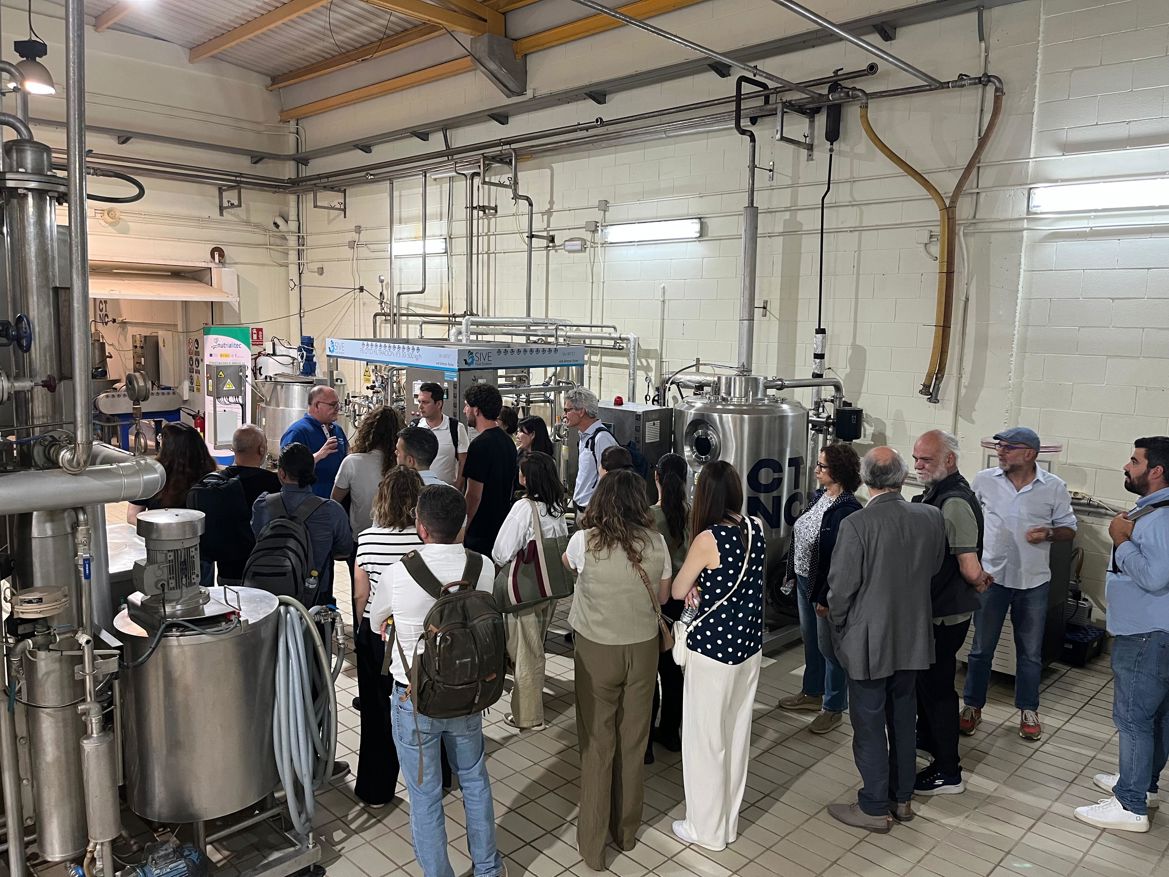
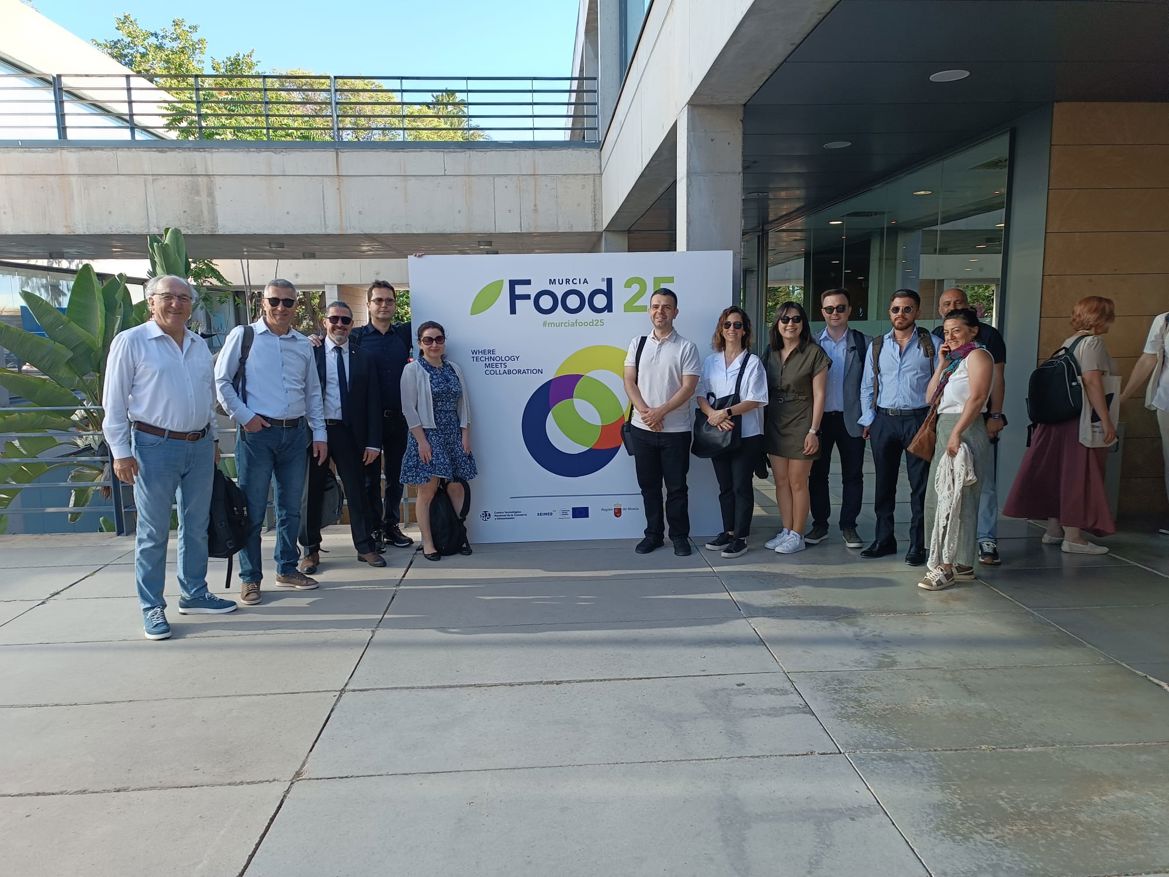
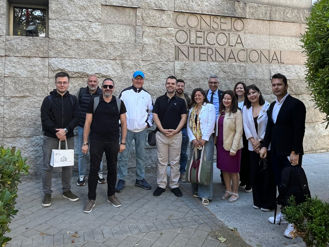
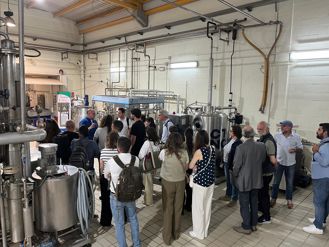
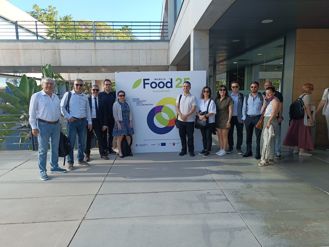
Field visits will be conducted in Türkiye, Italy and Spain.
Awareness-raising activities will be carried out on resource efficiency, food waste and green transformation, while training programs will be organized on resource efficiency, waste management, cleaner production approaches and process management.
One-to-one mentoring support will be provided by Green Transformation Experts.
Project Outputs
By the end of the project, the sustainability competencies of a total of 150 SMEs among olive and olive oil producers from Türkiye, Italy and Spain are expected to be enhanced.
The project aims to establish 20 cooperation partnerships.
Ten existing good practice examples are planned to be identified and promoted among other SMEs.
The project aims to develop 35 good practice examples throughout its implementation period.
Project Images