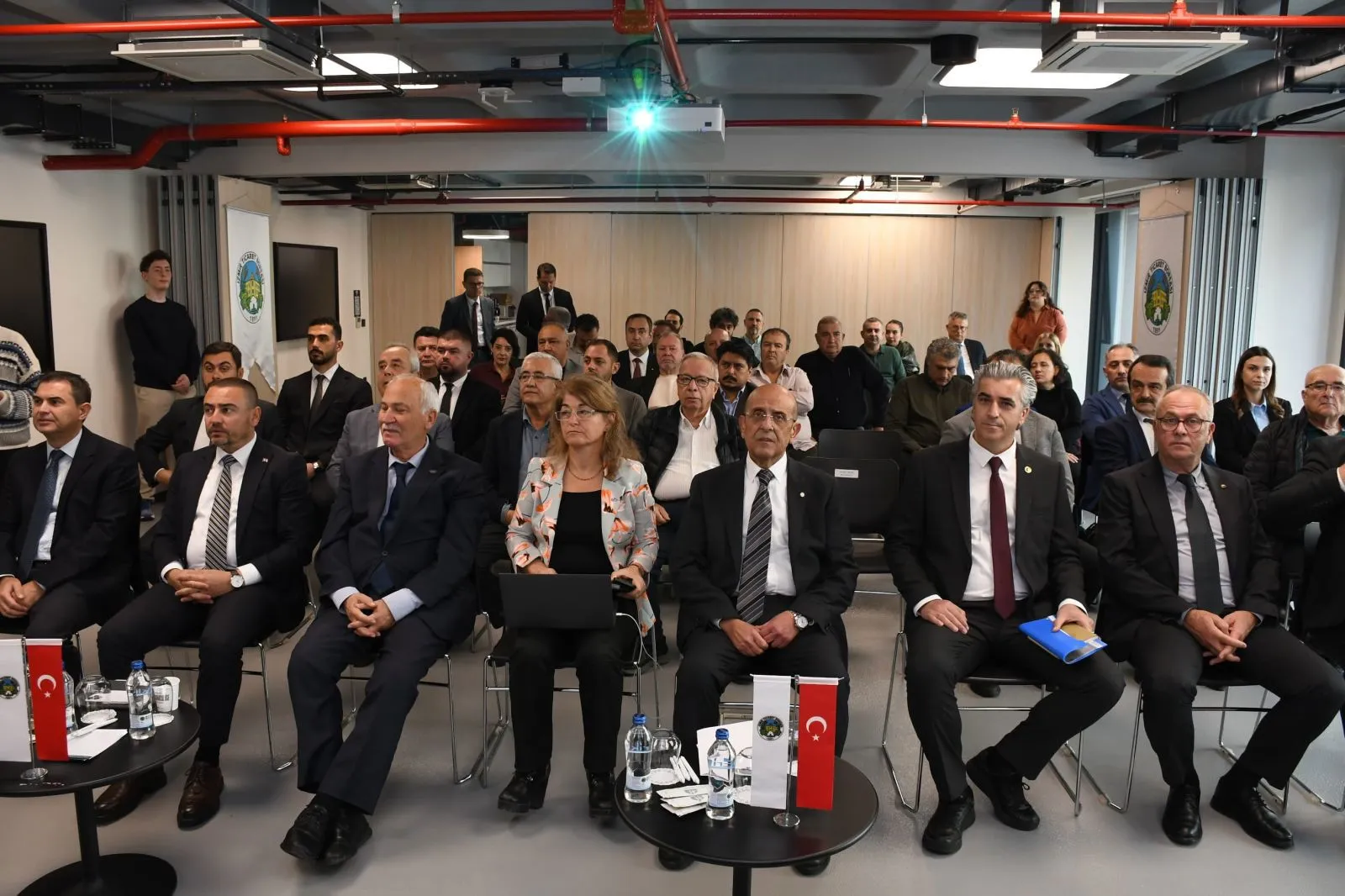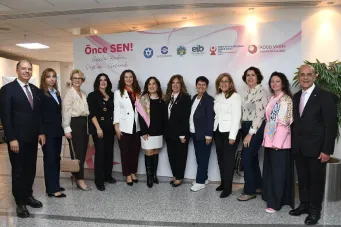

The İzmir Commodity Exchange held a consultation meeting to assess production, consumption, and export expectations for the 2026–2027 olive and olive oil season.
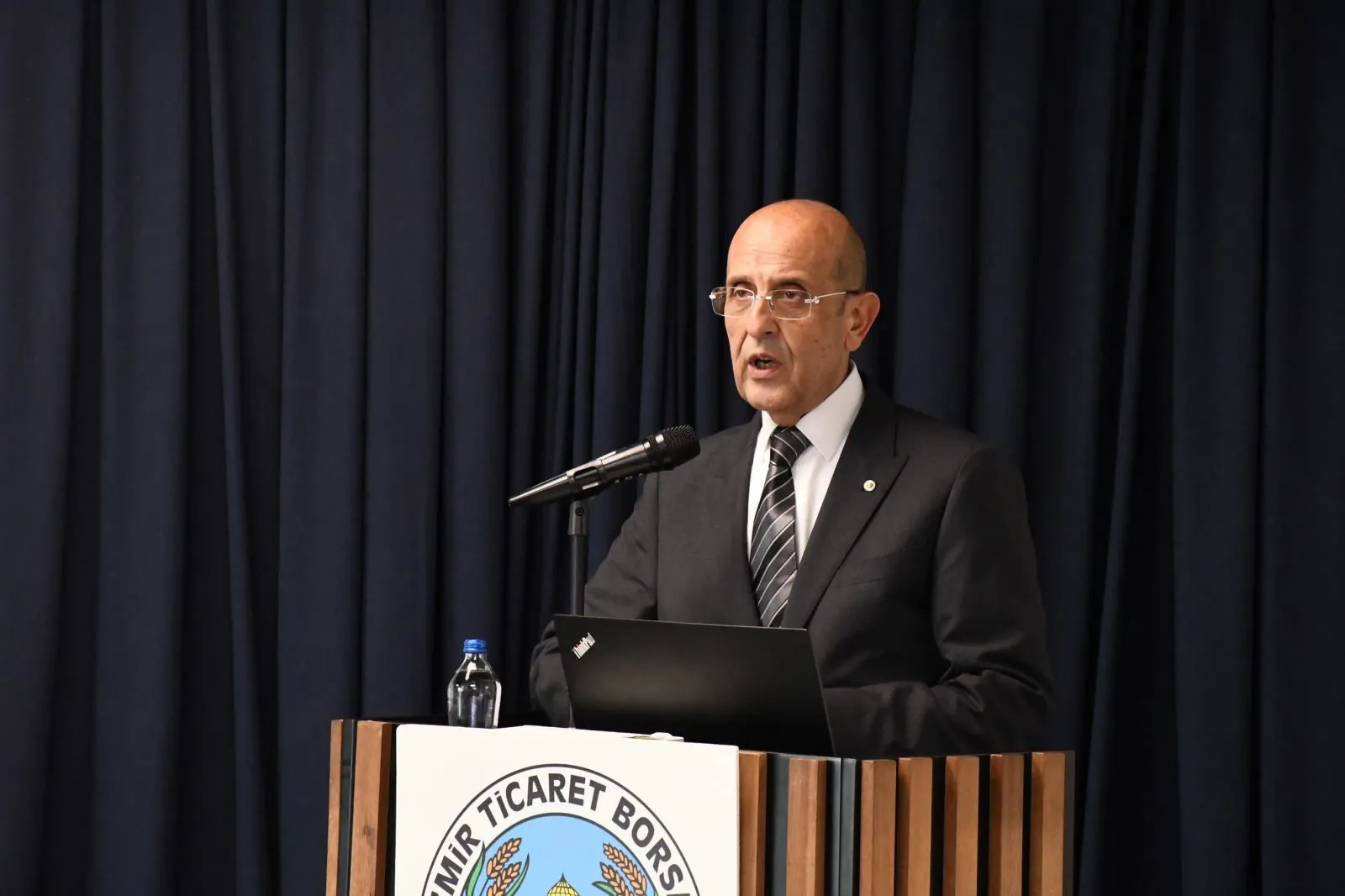
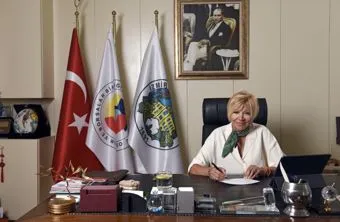
In his opening remarks at the meeting, which brought together industry stakeholders, Chairman of the Board of Directors Ömer Gökhan Tuncer said, “As you know, we are entering the new harvest season with high production expectations. This outlook reflects our country’s production capacity. Our main challenge, however, is to turn this abundant harvest into income, particularly for our growers, and added value for our industry. Ensuring that growers receive a fair return for their work amid rising input and harvesting costs is vital to sustaining production.”
Ömer Gökhan Tuncer noted that the downward pressure on prices from the expected high yields should be considered in this context. “The decline in exports is another major challenge we face. Every barrier to market access directly affects our growers, processors, employment, and our country’s foreign exchange earnings. These developments show that we need to look at the industry as a whole, from production to exports. I believe this meeting will help us identify shared priorities and develop practical proposals to submit to the relevant institutions. I wish everyone in the industry a fruitful and profitable season,” he said.
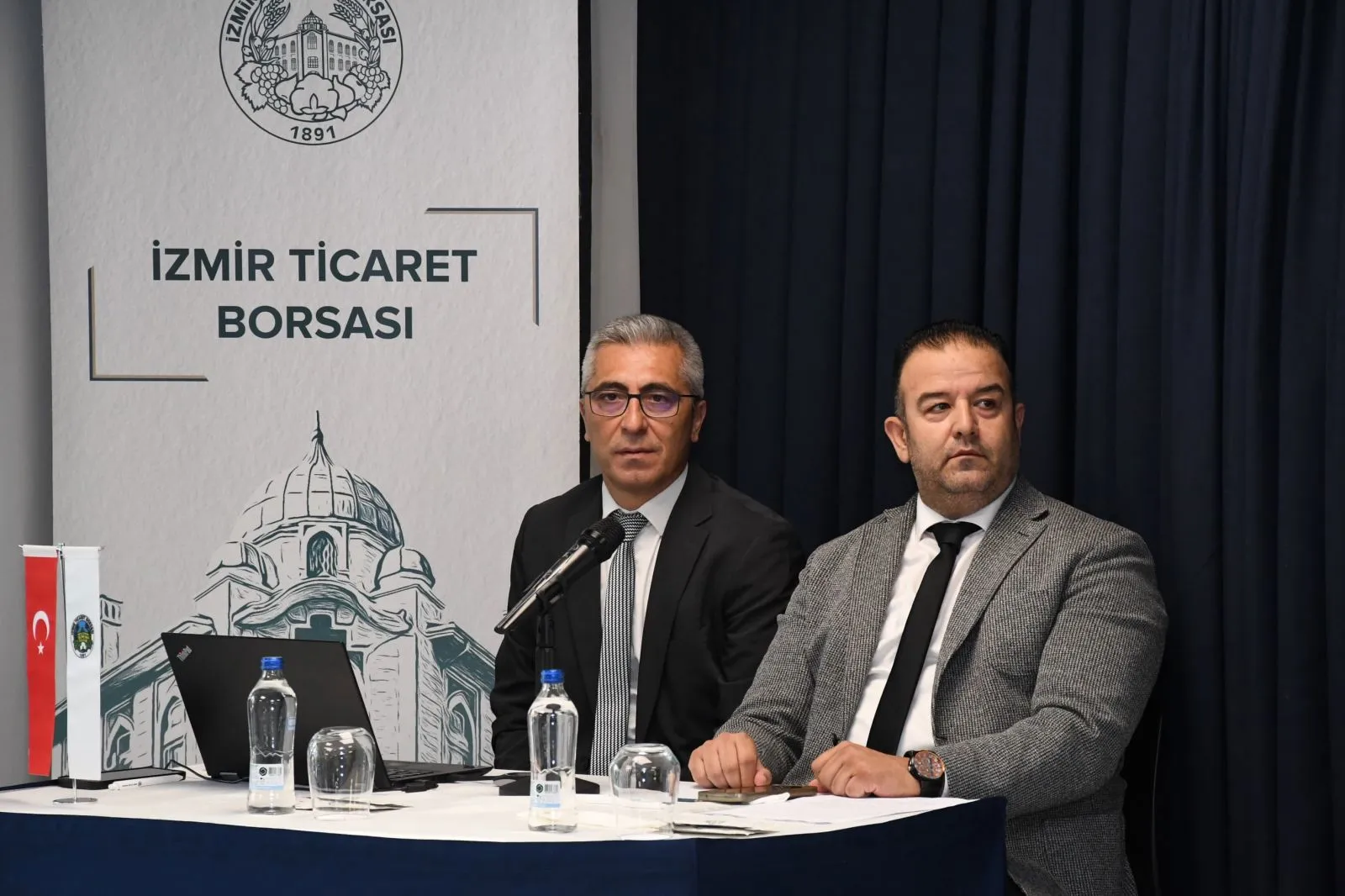
Tolga Onan, a member of the İzmir Commodity Exchange Assembly who moderated the meeting, said, “As you know, the 2026–2027 olive and olive oil season began a short while ago. Our industry has entered the season with a very large harvest and significant challenges. We brought together a wide range of stakeholders at the start of the season for a clear reason. We want to work out together how best to manage the abundant domestic supply and how to turn this large harvest into greater economic value for Türkiye.” Onan said the meeting aimed to address these challenges and develop realistic, practical, and lasting solutions. “If we manage this season well, the abundant harvest that concerns us all today could become a major opportunity for Türkiye’s olive and olive oil industry. I hope our discussion will be productive and constructive and lead to concrete results for our industry,” he said.
The industry’s current outlook was assessed from production to consumption
At the meeting, industry representatives shared their views on how falling prices and rising input costs affect the sustainability of production, the storage and financing challenges businesses face, the price competitiveness of Turkish olives and olive oil in international markets, and ways to grow exports. They also discussed the effectiveness of export support, access to financing, ways to increase domestic consumption, efforts to raise consumer awareness and strengthen market oversight, and how to maintain market balance during periods of high production and improve the industry’s long-term competitiveness.
The İzmir Commodity Exchange plans to compile these views into short-, medium-, and long-term policy recommendations and submit them to the relevant ministries and public institutions. It aims to help address the challenges facing the olive and olive oil industry and strengthen Türkiye’s competitiveness in international markets.
Blog Photos