
MEDICINAL AND AROMATIC PLANTS AND WELLNESS
In today's world, where a healthy and sustainable world and lifestyle are becoming increasingly important, the concept of “Wellness” is gaining prominence.
Wellness refers to living a healthier, better and longer life…
Within this context, natural and plant-based nutrition comes to the forefront.
Plants provide the oxygen and nutrients necessary for sustainable life and help maintain our health.
The use of plants for medicinal purposes dates back to the beginning of human existence. Since the earliest times, the healing properties of plants have been utilized to promote “Wellness.”
Many medicines used in modern medicine today are also derived from plants.
Türkiye's rich plant diversity stems from its location at the intersection of three phytogeographical regions, its role as a bridge between the flora of Southern Europe and Southwestern Asia, and its status as a center of origin and diversification for numerous genera and sections. This rich flora not only encompasses a large number of medicinal and aromatic plants but also serves as a center of genetic diversity for many of them. Nevertheless, this botanical wealth is not being utilized to its full potential.
Plants found in natural flora are traditionally used for food, medicinal purposes (phytotherapy: treatment using medicinal plants), herbal teas, spices, dyes, insecticides, treatment of animal diseases, resins, gums, essential oils, beverages and applications in the cosmetics industry.
Türkiye is among the leading countries in the trade of medicinal and aromatic plants, as it supplies raw materials to major industries such as herbal pharmaceuticals, phytochemicals, food additives, cosmetics, perfumery and dyes.
Although these plants are used in alternative medicine (used in place of conventional medical treatment), their appropriate use is in complementary medicine. Their most common application is in complementary medicine (treatments used alongside conventional medical care).
HISTORY
Archaeological investigations of ancient cities and remains reveal that the use of plants for medicinal purposes is as old as human history. During excavations conducted in 1957 at Shanidar Cave in Northern Iraq, just south of Hakkari, plant species such as yarrow, ragwort, hollyhock, cornflower, mallow and ephedra were identified in a grave believed to belong to a shaman. These findings, dating back approximately 60,000 years, are currently regarded as the earliest evidence of the relationship between humans and plants.
It is believed that these plants were placed in the grave so that the deceased could use them upon returning to life, suggesting that societies practicing burial rituals may already have begun distinguishing between edible and medicinal plants.
One of the oldest known prescription formulations in history belongs to the Hittites.
The discovery of medical papyri from Ancient Egypt has significantly expanded our knowledge of Egyptian medicine and pharmaceuticals. Among the most important papyri concerning medicines and treatments is the Ebers Papyrus, believed to have been written around 1550 BC. This papyrus was discovered between the legs of a mummy in a tomb at El-Assasif in Thebes. It contains references to 77 medicinal substances of plant, animal and mineral origin and more than 800 prescriptions. The most frequently mentioned ingredients include wild lettuce, squill, juniper berries, henbane, crocus, mustard, castor oil, figs, gentian, flaxseed, coriander, elderberry, pomegranate peel, wormwood, mastic, aloe, onions, cinnamon, turpentine and grapes.
Researchers state that the earliest written records concerning medicinal plants belong to the Sumerians and Chinese. The Sumerian records, preserved on clay tablets, are dated to approximately 4000 BC, while the Chinese records date back to around 3700 BC.
During the period of Mesopotamian civilization, approximately 250 herbal medicinal substances were used. Prescriptions found on tablets from this period include mandrake, henbane, hellebore, sweet flag root, poppy, mustard, thyme, tragacanth gum, oak galls, mint, pomegranate peel, fennel, saffron and turpentine.
It is estimated that approximately 600 medicinal plants were used during the Ancient Greek period, while around 4,000 were used during the Arab-Moroccan civilization.
The five-volume work “De Materia Medica” by Dioscorides, considered one of the earliest pharmacopoeias, provides detailed information on 500 medicinal plants and the use of medicines prepared from them. Notably, many of these plants are native to Anatolia.
Serving as a bridge between Asia and Europe and occupying an important position along migration and trade routes, Anatolia has played a significant role in the trade of herbal medicines and spices for centuries.
Initially, people used plants growing in their local regions for medicinal purposes. However, as trade developed, plants used in other countries gradually began to be incorporated into local medical practices.
Myths and Philosophical Symbolism Associated with Certain Medicinal and Aromatic Plants
Sage: The Romans regarded sage as sacred and attached great importance to its harvesting, carrying out the process through special ceremonies. In Arab cultures, there is a belief that those who cultivate sage will never die. Symbolizing immortality, wisdom and protection, sage is also one of the symbols associated with the Virgin Mary in Christianity.
Anise: Today, eating cake on special occasions, particularly birthdays and weddings, is a widespread tradition. The origins of this custom can be traced back to Roman times. The Romans frequently used anise to flavor their food and included it in cakes prepared for special occasions, festivals and ceremonies.
Juniper: Juniper is a highly respected tree in Turkic cultures. In Central Asia, there is a widespread belief that the juniper tree possesses divine and magical powers. Juniper symbolizes purification through fire. It was believed that evil spirits avoided juniper trees, and the plant was used to ward off supernatural beings such as demons and devils. Central Asian Turks planted juniper trees particularly in cemeteries. The tree continues to hold cultural significance in Anatolia. Juniper is also mentioned in ancient Uyghur inscriptions and the Epic of Manas.
Rosemary: Since ancient times, rosemary has been believed to stimulate the mind and strengthen memory. In Ancient Greece, students reportedly wore wreaths made from rosemary leaves on their heads or carried garlands woven from the plant around their necks to maintain mental alertness. Highly valued in Ancient Greece and Rome, rosemary became a symbol of loyalty. It was used symbolically at weddings and ceremonies in antiquity. Even today, planting rosemary around homes is common in many cultures because it is believed to bring good fortune and provide protection.
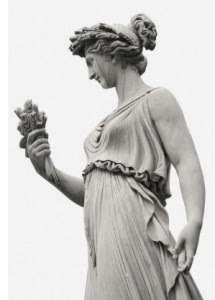 Bay Laurel: In Ancient Greece, the laurel tree was dedicated to Apollo, whose love was unrequited. Alongside Apollo, distinguished individuals, renowned poets and heroes adorned their heads with laurel wreaths. In the early years of the Roman Empire, before the adoption of a fully developed polytheistic belief system, the Romans practiced a different form of religion in which they sought to influence nature through various rituals. For example, on the first day of March each year, they hung laurel branches on the doors of their homes to ensure abundance and prosperity throughout the year. In Chinese mythology, the laurel is regarded as a tree rich in spiritual significance. The red laurel tree is believed to contain the essence of life and therefore remains evergreen throughout the seasons, leading to the belief that laurel can provide remedies for various ailments.
Thistle: In Christianity, thistle symbolizes sin and the suffering of Jesus Christ. It is also associated with contentment and resentment.
Basil: In Ancient Greece, basil was associated with unfavorable meanings and was commonly regarded as a symbol of misfortune and bad luck. In Indian culture, however, the opposite belief prevailed, and basil was thought to bring good fortune and protect against evil. Another property historically attributed to basil is its ability to enhance sexual vitality.
Linden: Linden appears in numerous myths involving Zeus and Hermes.
Nettle: This plant was considered one of the most important forms of protection for Roman soldiers fighting in severe cold. Roman soldiers reportedly rubbed nettles on their bodies to reduce the effects of harsh weather conditions.
Thyme: According to Greek mythology, thyme grew from the tears of Helen of Troy, whose story led to the outbreak of the Trojan War. In Ancient Greece, thyme was regarded as a symbol of nobility and courage. The custom of presenting thyme-scented gifts to warriors departing for battle originated from this belief. Burning thyme as incense in front of wealthy households was also considered a demonstration of power and nobility. Roman soldiers were known to bathe in thyme-infused water to gain courage.
Hemp: Hemp has been cultivated in China and Iran since ancient times. It was believed that a pill made from hemp seeds could prolong life and, through the pleasant mental sensations it produced, grant individuals the ability to foresee the future.
Saffron: The Hittites called saffron A-Zupiru and used it for medicinal purposes. Saffron trade was important during the Greek, Roman and Ottoman periods. In his Geographica, Strabo wrote that the finest saffron during the Roman period grew near the Cave of Hell, in what is now Silifke. The Syriac monastery known as Deyr-ül Zeferan, located near Mardin in Southeastern Anatolia, takes its name from the saffron plant. "Deyr" means monastery, while "zeferan" means saffron.
PRODUCTION OF MEDICINAL AND AROMATIC PLANTS
Classification of Medicinal and Aromatic Plants
Before discussing the production of medicinal and aromatic plants, it should be noted that there are several methods of classifying these plants. However, the most commonly used classifications are as follows.
- Chemical Classification
This classification is based on the chemical structures of the active compounds found in plants. It is primarily used in pharmacognosy.
- Essential Oil Plants; Anise, Parsley, Mint
- Plants Containing Bitter Substances; Wormwood, Gentian
- Plants Containing Glycosides; Digitalis, Squill
- Plants Containing Saponins; Soapwort, Saponaria, Hedera Helix
- Plants Containing Alkaloids; Datura, Atropa, Poppy, Nicotiana
- Plants Containing Flavonoids; Silybum, Verbascum
- Plants Containing Tannins; Hamamelis, Quercus
- Classification According to Consumption and Use
- Beverage, Herbal Tea and Stimulant Plants; Tea, Coffee, Tobacco
- Spice Plants; Black Pepper, Mustard, Thyme
- Medicinal Plants; Digitalis, Atropa
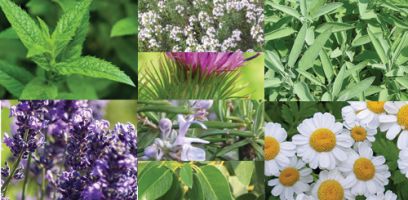
- Perfumery Plants; Lavender, Rose
- Gum and Mucilage Plants; Acacia, Astragalus, Plantago
- Resin-Producing Plants; Sweetgum Tree, Ferula
- Tannin-Producing Plants; Sumac, Oak
- Dye Plants; Madder, Bixa, Alkanna Tinctoria
- Insecticidal Plants; Pyrethrum, Anabasis, Neem Tree
- Wax-Producing Plants; Jojoba, Myrica
Secondary Metabolites
During their growth and development, plants produce numerous and diverse organic compounds that do not have direct functions in their primary growth processes. These substances are known as secondary metabolites, secondary products or natural products.
Secondary metabolites generally do not play a direct role in photosynthesis, respiration, solute transfer, transport, protein synthesis, digestion or the formation of carbohydrates, proteins and lipids. Their distribution within the plant kingdom is limited, and they occur only in certain plants.
These characteristics distinguish them from primary metabolites, such as amino acids and sugars. While primary metabolites are found in all plants, secondary metabolites occur only in certain plant species.
| Secondary Metabolites Are Divided into Three Main Groups | ||
| A- Terpenes | B- Phenolic Compounds | C- Nitrogenous Compounds |
| 1-Essential Oils | 1-Phenylpropanoids | 1-Alkaloids |
| 2- Cardenolides - Glycosides | 2-Coumarins |
|
| 3-Saponins | 3-Benzoic Acid Derivatives |
|
| 4-Steroids | 4-Lignin |
|
| 4-Resins | 5-Anthocyanins |
|
| 5-Rubber | 6-Flavonoids |
|
| 6- Gibberellins | 7-Tannins |
|
| Latin Names of Certain Herbal Drugs. | |
| Herbal Drugs | English Names |
| Cortex Rhamni franguale | Alder Buckthorn Bark |
| Flos Tiliae | Linden Flowers |
| Folium Lauri | Bay Leaves |
| F.Salviae | Sage Leaves |
| F.Rhus coriariae | Sumac Leaves |
| Fructus Anisi | Anise Fruit |
| F.Capsici | Red Pepper |
| F.Cumini | Cumin |
| F.Mahalep | Mahleb |
| F.Rhamni petiolari | Persian Berry |
| F.Vaccini (artosthapyli) | Bearberry Fruit |
| Herba Origani | Marjoram |
| Gemmae | Caper |
| Capparidis | |
| Oleum Rosae | Rose Oil |
| Radix Cichoru intybi | Wild Chicory Root |
| R.Liquiritae | Licorice Root |
| R.Rusci aculeati | Butcher's Broom Root |
| R.Saponariae alba | Soapwort Root |
| Semen Colchici | Meadow Saffron Seeds |
| S.Papaveris | Poppy Seeds |
| S.Sinapis | Mustard Seeds |
| Styrax Liquidus | Sweetgum Oil |
| Succus Liquiritae | Licorice Extract |
| Gummi | Tragacanth Gum |
| Tragacanthae Tubera Salep | Salep Tubers |
| Vatonea | Acorn Cup |
WORLD
It is estimated that there are approximately 320,000 plant species worldwide, of which around 270,000 have been identified. Experts state that approximately 70,000 species are utilized, including nearly 3,000 as food sources, 25,000 for medicinal purposes, 5,000 for industrial applications and around 15,000 as ornamental plants.
The medicinal and aromatic plants most commonly traded internationally include coffee, sesame, garlic, red pepper, allspice, black pepper, green tea, mustard seeds, poppy seeds, ginger, salep and cumin.
These plants are not evenly distributed across the world. Tropical regions are considered the richest areas in terms of species diversity, while the number of species decreases toward the poles. The regions with the greatest species diversity are northern South America and the Indonesian archipelago.
The most comprehensive and reliable information on global trade volume and value can be obtained from the international trade database (UN Comtrade).
Countries such as the United States, the United Kingdom, Germany, France, the Netherlands, China and India, which import medicinal and aromatic plants, are also among the major exporters of numerous plant products.
It is estimated that between 4,000 and 6,000 medicinal plant species are widely used worldwide, while approximately 3,000 species are commercially traded.
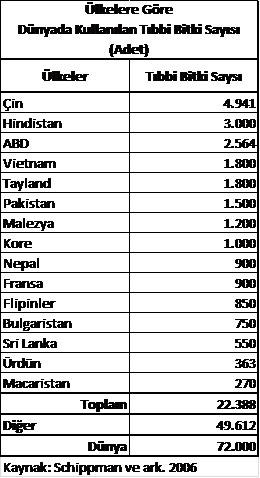
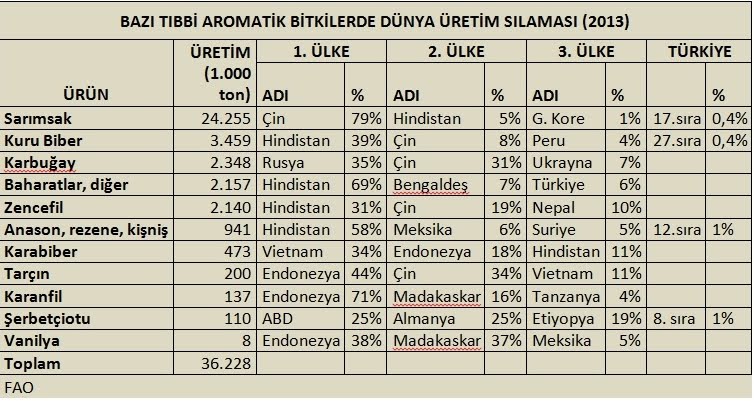
TÜRKİYE
Türkiye is a country with remarkable botanical diversity. Various sources indicate that approximately 200 naturally occurring plant species are sold by herbalists throughout the country.
According to experts, 347 plant species are collected from nature for commercial purposes and sold in domestic and international markets. Of these, 35 are endemic, while approximately 100 naturally occurring plant species are collected and exported. In addition, it is estimated that at least 1,000 plant species in Türkiye are utilized in various ways and around 400 are commercially traded.
As of 2014, Türkiye imported approximately USD 30 million worth of spices and exported USD 150 million. Nevertheless, these figures remain far below the country's potential, considering its rich botanical resources.
The cultivation areas and production volumes of major medicinal and aromatic plants contributing to Türkiye's exports are presented below:
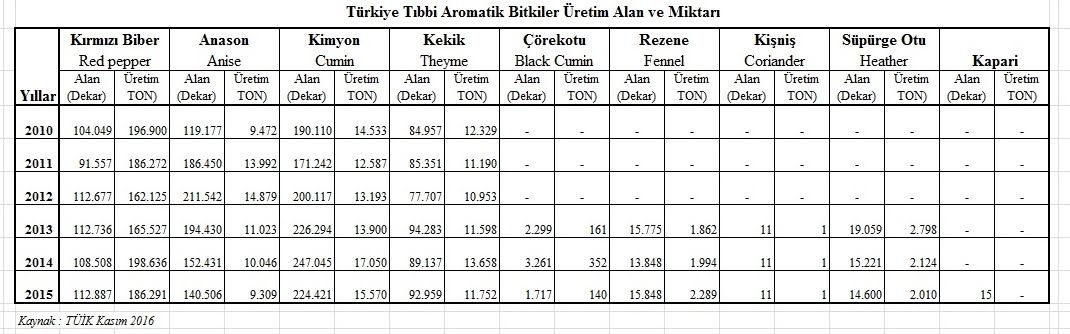 ,
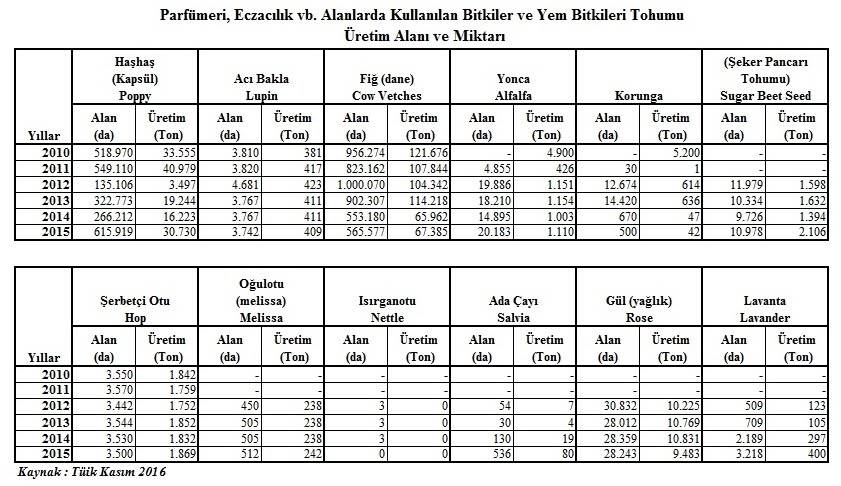
Medicinal and aromatic plants are both collected from the wild and cultivated as agricultural crops.
As in other parts of the world, medicinal and aromatic plants in Türkiye are either collected from their natural habitats or cultivated. It is known that only approximately 10% of the 70,000 plant species utilized worldwide are cultivated. In Europe, around 90% of approximately 1,200 plant species are collected from the wild, while the vast majority of plants used in traditional Chinese medicine are also harvested from natural habitats.
In Türkiye, approximately 75% of medicinal and aromatic plants are collected from forests and natural growing areas. The number of cultivated species and the areas allocated to their cultivation remain limited.
Some Medicinal and Aromatic Plants Collected from the Wild:
- Bay Laurel, Mahleb, Linden Flowers, Sage, Rosemary, Licorice Root, Juniper and Some Thyme
Some Cultivated Medicinal and Aromatic Plants:
- Cumin, Anise, Thyme, Fenugreek, Fennel, Mint, Hops, Coriander and Some Sage
Wild harvesting represents a significant problem for medicinal and aromatic plants. According to data from the IUCN (International Union for Conservation of Nature), approximately 15,000 medicinal plant species worldwide face varying degrees of extinction risk. Excessive, uncontrolled and premature harvesting of natural resources has left certain medicinal plant populations unable to sustain themselves.
Due to intensive demand, species such as Adonis vernalis, Ginkgo biloba, Panax ginseng and Harpagophytum procumbens are threatened worldwide.
In Türkiye, orchid species belonging to the Orchidaceae family, whose tubers are used to produce salep, as well as species such as Gypsophila arrostii and Gentiana lutea, are threatened by excessive harvesting.
In particular, the export of tubers and medicinal plant materials obtained from certain orchid species belonging to the Orchidaceae (Salep) family has been prohibited. These restrictions are determined annually by the Natural Flower Bulbs Commission.
Furthermore, collecting and selling wild orchid tubers growing naturally in forest areas is prohibited in order to protect ecological balance.
Factors Increasing the Damage Caused by Wild Plant Harvesting
- Excessive Harvesting,
- Premature Harvesting,
- Uncontrolled Harvesting,
- The Part of the Plant Being Harvested,
- Other Plant Species Replacing Harvested Plants.
Plants Cultivated in Türkiye:
- Poppy, cumin and saffron have been cultivated since ancient times.
- Anise, fennel, coriander, mint, basil, black cumin, fenugreek, red pepper, oil-bearing rose, tea, bitter melon and hops,
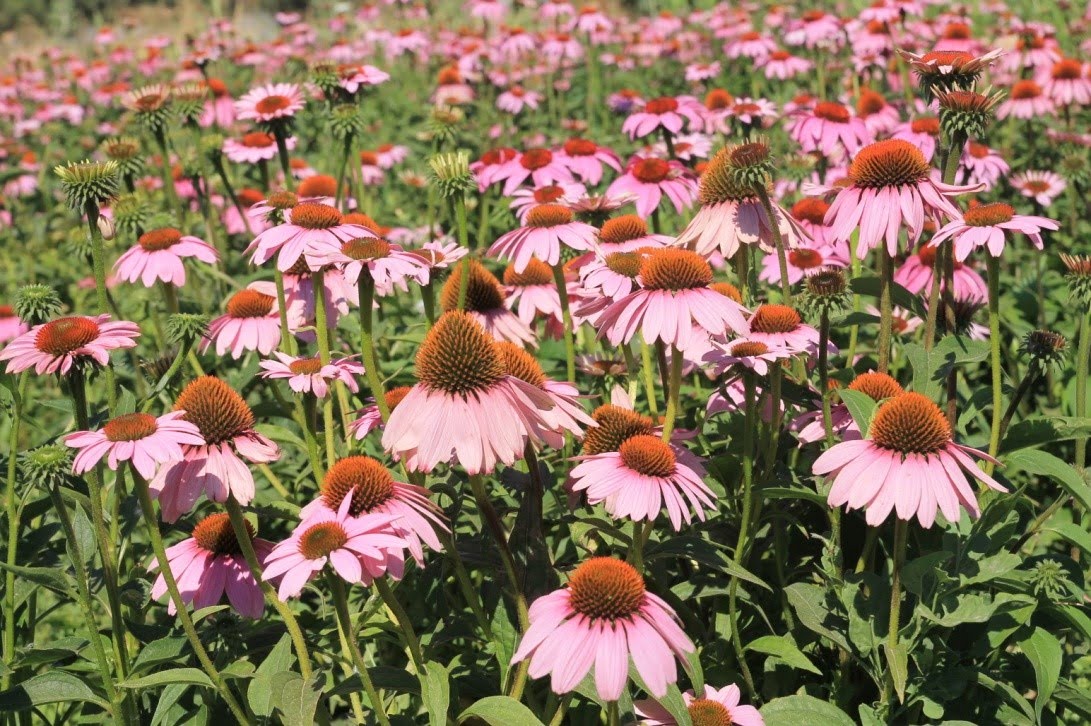
- Rosemary, echinacea, caper, thyme, lavender and chamomile,
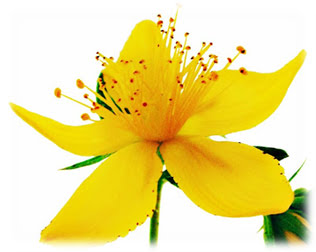
- Soapwort, St. John's wort, snowdrop, salep, summer snowflake, arum, snake's-head iris, lily, crown imperial and other bulbous plants, including tulips, are also among the more recently cultivated crops.
Unfortunately, despite cultivating many plants for thousands of years, Türkiye has very few or no registered varieties of several species. In recent years, certain varieties of flax, poppy, anise, coriander, fenugreek, thyme, sage, basil, garden cress and arugula have been registered, while breeding and registration studies have been initiated for others.
In the Cultivation and Market Development of Medicinal and Aromatic Plants: In breeding medicinal and aromatic plants, the yield of active compounds is just as important as the yield of medicinal plant material.
For Example (Compiled from Various Sources):
- Lavandin (Lavandula x intermedia) is a hybrid of Lavandula latifolia and Lavandula angustifolia subsp. pyrenaica.
- Research continues to identify medicinal and aromatic plants with stronger antimicrobial and antioxidant properties.
- As with rosemary, studies are being conducted to develop varieties resistant to cold and various biotic and abiotic factors.
- As with mint, lemon balm and St. John's wort, breeding studies are being conducted on numerous medicinal and aromatic plants to develop varieties resistant to plant pathogens.
- For common sage (Salvia officinalis L.), developing varieties that contain no camphor or have a camphor content below 0.5% is an important breeding objective due to the compound's toxic effects.
- In poppy (Papaver somniferum L.) breeding, programs have been developed to increase capsule yield as well as the concentrations of alkaloids such as morphine, codeine, thebaine, noscapine and papaverine.
- Hybrid Lavender has higher flower and essential oil yields than the two parent species.
Although studies of this kind are being conducted in Türkiye, they have largely remained within research institutions.
Post-harvest processes are among the most important factors determining the quality of medicinal and aromatic plants.
Errors or improper practices during post-harvest processing can significantly affect medicinal and aromatic plants. These processes include washing, drying (one of the most important factors affecting post-harvest quality), sorting, cutting, chopping, storage and packaging.
Extraction processes are also important applications in the production of medicinal and aromatic plants.
Fixed and Essential Oil Extraction: High-value industrial products such as essential oils, fixed oils, alkaloids, phenolic compounds and colorants are obtained through extraction or advanced processing methods. Rose oil is obtained through water distillation, while thyme, sage and bay laurel oils are obtained through steam distillation. The distillation process produces two commercially valuable products: pure essential oil and distillation water.
Essential oils are extracted from the peels of citrus fruits such as lemons, oranges, bergamots, grapefruits and limes using mechanical cold-pressing methods.
In the production of bay laurel berry oil, hot water and hexane are used as extraction agents.
Cold pressing is preferred for producing flaxseed oil, almond oil, pumpkin seed oil and black cumin seed oil.
Dry Extract: Used in dietary supplements and herbal medicines in capsule or tablet form.
Liquid Extract: Carob and juniper molasses are among the most commonly used liquid extracts. Stevia extract and licorice extract are also utilized.
TRADE IN MEDICINAL AND AROMATIC PLANTS
WORLD
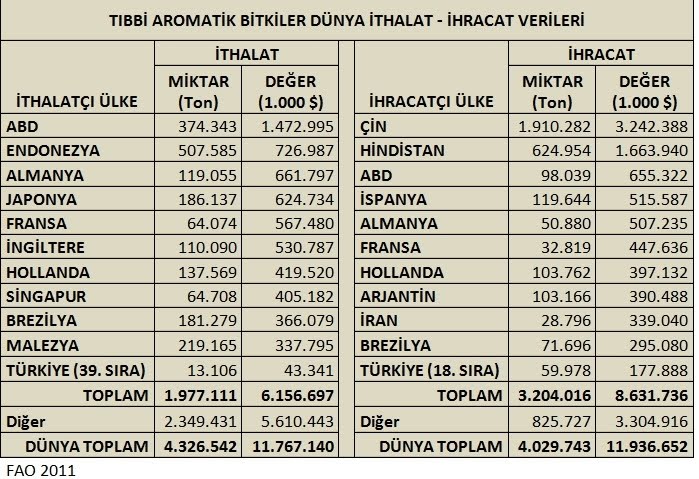
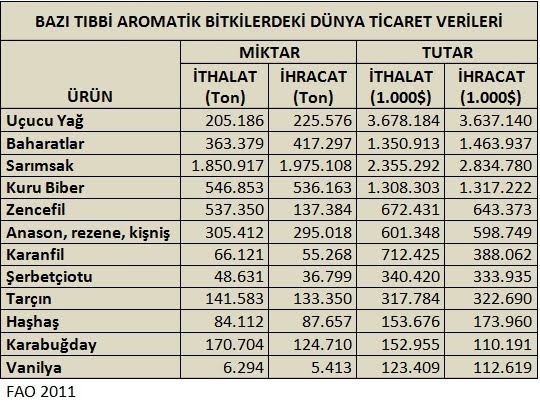
The world's major trading centers for herbal products include China, Germany, the United States, France, Italy, Japan, Spain, the United Kingdom, India and Hong Kong.
JAPAN has the highest per capita consumption of herbal medicines.
TÜRKİYE
Türkiye's Export Data
Annual revenue of approximately USD 140 million is generated from exports of medicinal and aromatic plants.
Türkiye exports medicinal and aromatic plants to approximately 100 countries worldwide.
Türkiye exports a significant proportion of these products to North America, the European Union, Latin America, the Far East and North Africa. The leading destinations include the United States, Germany, Vietnam, the Netherlands, Poland, Brazil, Canada, Italy, Belgium, Greece, France and Japan.
Türkiye is also a major supplier of thyme, bay laurel, cumin, capers, tea, poppy seeds and alkaloids.
In addition, Türkiye exports morphine, rose oil, thyme oil, bay laurel oil, sage oil, rose geranium oil, sweetgum oil, cumin oil, resins, turpentine, oleoresins, sweetgum, tragacanth, mastic, gums and their extracts.
Recent export data indicate that while global export values have increased over the years, Türkiye's export values have remained relatively stable.
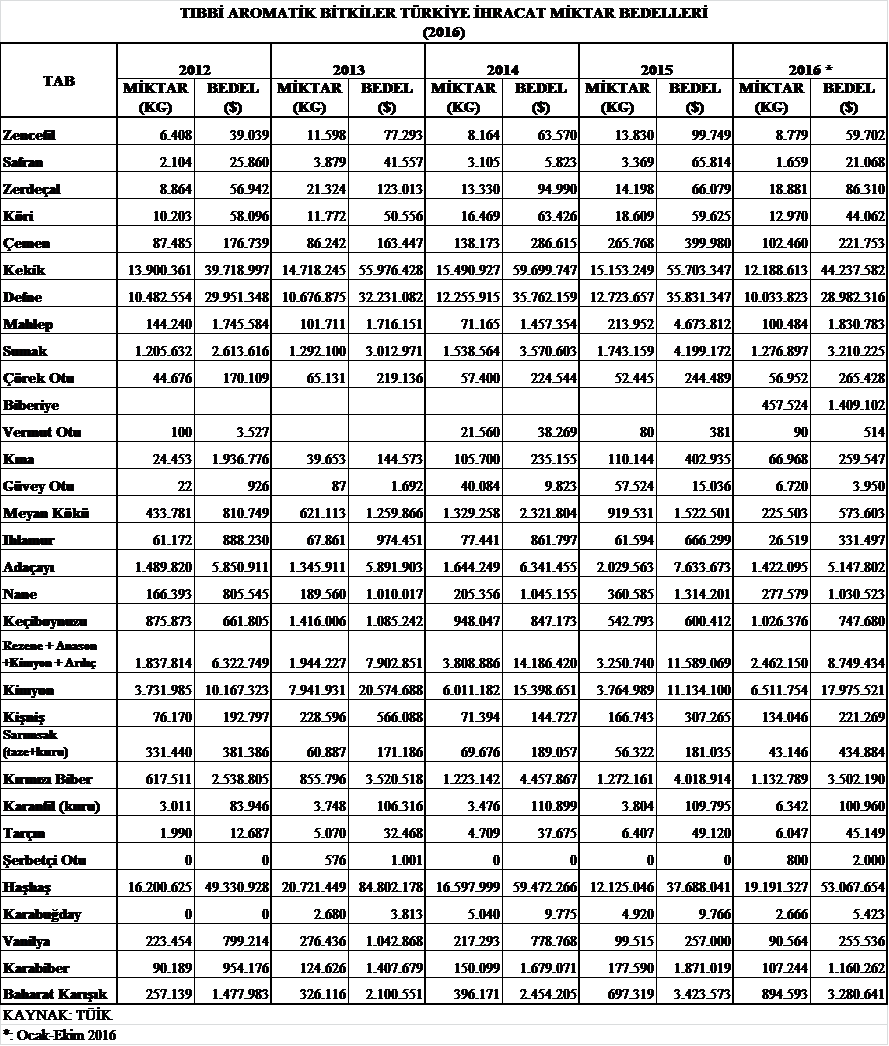
Türkiye's Import Data
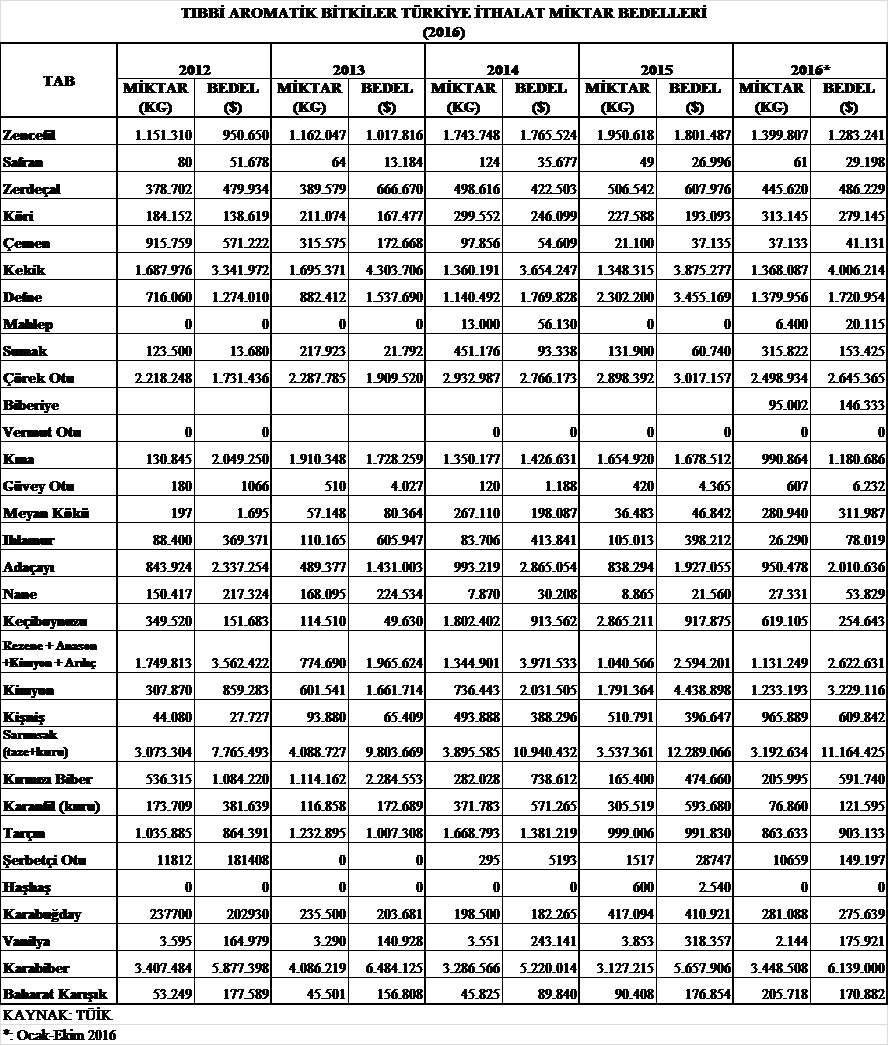
Türkiye also imports certain medicinal and aromatic plants. Although the value of these imports remains relatively low, it has been following an upward trend.
Medicinal and aromatic plants that are not cultivated in Türkiye, such as cinnamon, black pepper, cloves and ginger, are imported mainly from the Far East. In addition, Türkiye imports certain medicinal and aromatic plants that it also produces domestically because importing them can be more cost-effective. Many of these products are processed domestically and subsequently re-exported.
For example:
- Different species and varieties of thyme that are not cultivated in Türkiye and represent a significant share of imports are brought into the country for re-export and to strengthen Türkiye's position in the global thyme market.
- Common sage (Salvia officinalis), which does not occur naturally in Türkiye's flora and is not commercially cultivated, must be imported for subsequent export.
- Carob and linden are also imported and re-exported in response to demand from international markets.
COMPLEMENTARY MEDICINE
Regarding the prevalence of traditional and complementary medicine worldwide, usage rates are reported as 70% in China, 70% in Canada, 49% in France, 46% in Australia, 42% in the United States and 31% in Belgium.
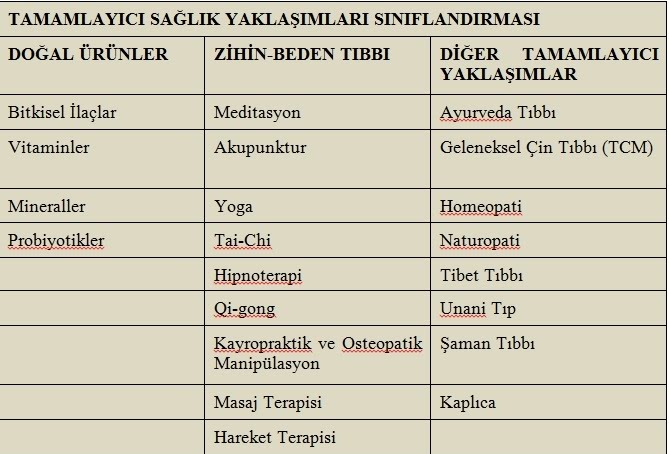
The 10 Most Common Complementary Health Approaches Used by Adults Worldwide in 2012
- Catathymic Imagery 1.70%
- Progressive Relaxation 2.10%
- Homeopathy 2.20%
- Special Diets 3.00%
- Massage 6.90%
- Meditation 8.00%
- Chiropractic or Osteopathic Care 8.40%
- Yoga, Tai Chi or Qigong 10.10%
- Deep Breathing 10.90%
- Natural Products 17.70%
As the above data indicate, medicinal and aromatic plants are among the most widely used complementary health products today. This makes their production, processing industries and trade particularly important.
Applications of Medicinal and Aromatic Plants
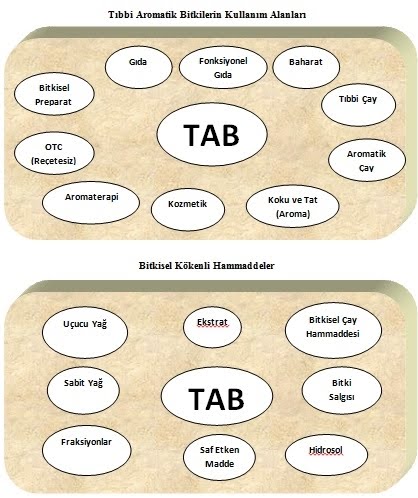
Experts estimate that approximately 80% of the world's population uses traditional medicine and medicinal and aromatic plants to address health-related needs.
Due to the economic uncertainty and challenges experienced worldwide in recent years, the medicinal and aromatic plants sector has become increasingly important in international trade because of the widespread use of these products.
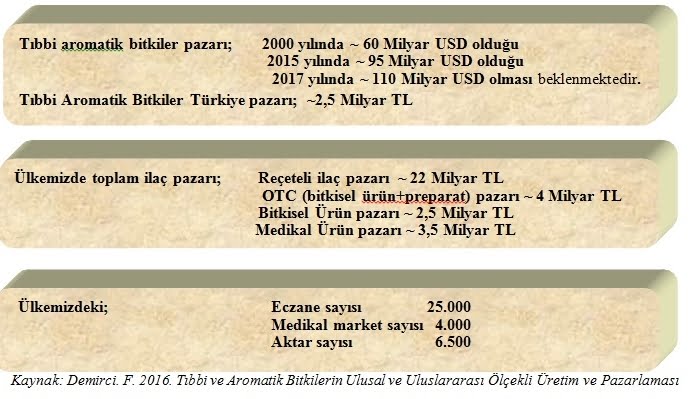
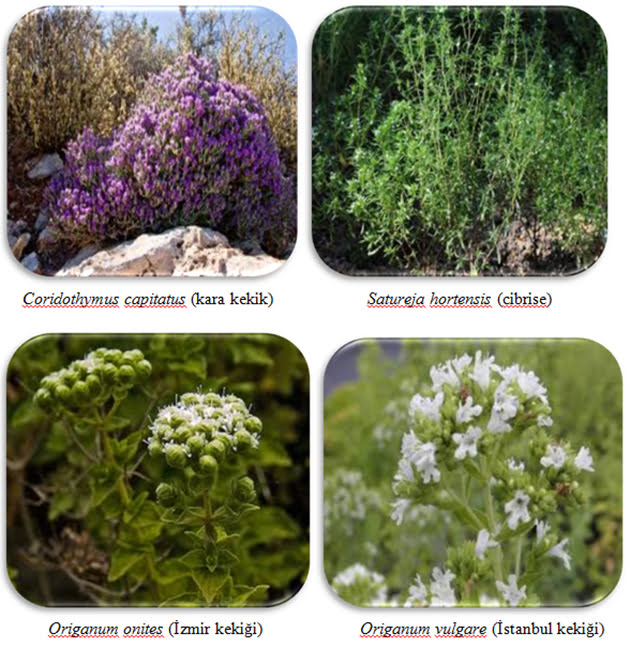
Izmir is the leading province in Türkiye in terms of domestic trade and exports of medicinal and aromatic plants.
RECOMMENDATIONS FOR MARKETING STRATEGIES IN MEDICINAL AND AROMATIC PLANTS
- Premium payments are provided for certain cultivated crops in Türkiye. Medicinal and aromatic plants should preferably be cultivated on marginal lands through rainfed agriculture, without adversely affecting the cultivation of other crops. Premium payments should also be introduced for cultivated medicinal and aromatic plants, as this is important for supporting producers and protecting national interests.
- Certain deductions apply to medicinal and aromatic plants collected from forests and natural habitats. Consequently, complete records of wild-harvested products are unfortunately unavailable, and a significant proportion of this activity remains unregistered. Premium payments should also be introduced for these products to encourage proper registration, particularly given the difficult and labor-intensive conditions involved in collecting them from forests, rocky terrain and hillsides.
- Improving product quality to increase Türkiye's exports.
- Taking measures to resolve the problem of adulteration, which represents a serious challenge for Turkish products.
- Paying greater attention to post-harvest processes, particularly drying and storage.
- Moving beyond the role of a raw material supplier and becoming a producer and exporter of finished or semi-finished products. Many plants native to Türkiye are exported as raw materials, processed in other countries and then distributed worldwide. Türkiye must establish a stronger international presence in the packaged products market.
- Identifying new products and markets by carefully analyzing changing consumer expectations in an evolving world.
- Conducting detailed studies of countries that play significant roles in the trade of medicinal and aromatic plants.
- Taking a more active role in the herbal tea market, which has become increasingly popular in recent years.
- Developing pricing policies based on comprehensive analyses of global market prices.
- Using digital platforms effectively and actively as advertising tools, as they have become indispensable in the modern world.
- Making active use of international trade fairs.
- Accelerating official procedures in Türkiye, particularly those related to product registration.
- Developing compelling product stories and building distinctive narratives around them.
- Providing continuous training to both producers and businesses on products and sector-related developments.
- Developing new fields and industries based on medicinal and aromatic plants, such as aromatherapy, vinotherapy, apitherapy, beauty centers, massage centers, cosmetics and healthcare services.
- Identifying alternative medicinal and aromatic plant products to those currently in use.
- Ensuring that comprehensive and reliable sector statistics are collected and maintained.
- Addressing the difficulty of finding accurate information online, particularly regarding medicinal plants, and ensuring greater accessibility to reliable information on the internet.
- Introducing more effective inspections and regulatory oversight of herbalists.
- Updating legal regulations to preserve plant diversity and ensure its sustainability.
- Increasing the availability and diversity of genetic material.
- Clearly identifying and ensuring the registration of agricultural pesticides used in the cultivation of medicinal and aromatic plants.
References
- Faydaoğlu, E., Sürücüoğlu, M.S. 2011. The Use and Economic Importance of Medicinal and Aromatic Plants from Past to Present
- Keykubat, B. http://apelasyon.com/Yazi/1232-izmirin-yerel-kahramanlarindan-olmaya-hazir-misiniz
- Ceylan, A., 1996. Medicinal and Aromatic Plants, Ege University Agricultural Application and Research Center Technical Bulletin 29
- Ceylan, A., Bayram, E. 1996. Overview of Studies on Medicinal and Aromatic Plants Conducted at the Department of Field Crops, Faculty of Agriculture, Ege University. Scientific Meeting Held in Memory of Prof. Dr. Vamık Tayşi, Izmir. pp. 48-57
- Akdemir, H. 2016. Apelasyon E-Magazine (http://apelasyon.com) Medicinal and Aromatic Plants Sector and Its Challenges in Türkiye. http://apelasyon.com/Yazi/401-turkiyede-tibbi-ve-aromatik-bitkiler-sektoru-ve-sorunlari
- Harput, Ş. 2016. Safety and Efficacy Studies for Public Health in Medicinal Herbal Products.
- Afyonkarahisar II. Medicinal and Aromatic Plants Workshop Final Report, 2016
- Trabzon Medicinal and Aromatic Plants Workshop Final Report, 2015
- Güneş, A. Medicinal and Aromatic Plants
- Arslan, N., Baydar, H., Kızıl, S., Karık, Ü., Şekeroğlu, N., Gümüşçü, A. 2015. Changes and New Approaches in the Production of Medicinal and Aromatic Plants.
- Demirci, F. 2016. National and International Production and Marketing of Medicinal and Aromatic Plants.
- Faydaoğlu, E., Sürücüoğlu, M.S. 2011. The Use and Economic Importance of Medicinal and Aromatic Plants from Past to Present.
- Karık, Ü. 2014. Apelasyon E-Magazine (http://apelasyon.com) Thyme: A Plant with Healing Properties. http://apelasyon.com/Yazi/188-dertlere-deva-bitki-kekik
- Civelek, A. 2016. Apelasyon E-Magazine (http://apelasyon.com) Laurel: A Beautiful Nymph. http://apelasyon.com/Yazi/540-guzeller-guzeli-bir-nympha-defne
- Uğurluoğlu, Ö.K., Filiz, Zafer. 2016. Medicinal and Aromatic Plants
- Turkish Statistical Institute (TÜİK) (http://www.tuik.gov.tr/)
- Gezgin, D. 2010. Plant Myths
- Özer, Z., Tursun, N., Önen, H. 2004. Healthy Living with Wild Plants
- http://www.nazimtanrikulu.com/
- Kırıcı, S. General Overview of Medicinal and Aromatic Plants in Türkiye
- Marshall, E. 2011. Health and Wealth from Medicinal Aromatic Plants (FAO)
- Tanriseven, M. Medicinal and Aromatic Plants: Biohealth and Economy
- Tümen, İ. Economic Value of Medicinal Plants.
- TOBB Türkiye Agricultural Sector Report 2013
- Central Anatolia Development Agency Medicinal and Aromatic Plants Sector Report 2015
- http://www.omicsgroup.org/journals/medicinal-aromatic-plants.php
- http://www.icmap.org/icmap/icmap.php?page=home
- http://www.ishs.org/
- http://www.acmap.org/
- http://bhma.info/
- http://nmpb.nic.in/
- http://www.europam.net/
Blog Photos
Writer : Bilge Keykubat
Unless otherwise stated, this published article does not reflect the views of the Izmir Commodity Exchange. 


