

From Hashtag to Harvest: Agriculture’s Visual Transformation on Social Media
For centuries, agriculture was perceived as a sector known only by those who produced, while urban populations simply consumed its products. Unfortunately, misinformation has made it difficult to fully appreciate the value of agriculture, both economically and culturally. With the rise of social media, agriculture has become increasingly visible; fields, farms, and even the scent of the soil have been carried into the digital world. This transformation is not merely a change of medium, but also a revolution in storytelling.
In the age of social media, one of the cornerstones of content creation is compelling visual content. Agriculture is particularly rich in this respect. When the right shooting techniques are used, this visual richness becomes even more striking. Wide, bird’s-eye views of fields captured with drones allow viewers to experience both the scale of production and its relationship with nature. A sunflower photographed with a macro lens reveals the aesthetics, order, and labour behind agriculture. For example, a time-lapse video showing a seedling emerging from the soil can serve as a powerful metaphor for patience and the power of nature.
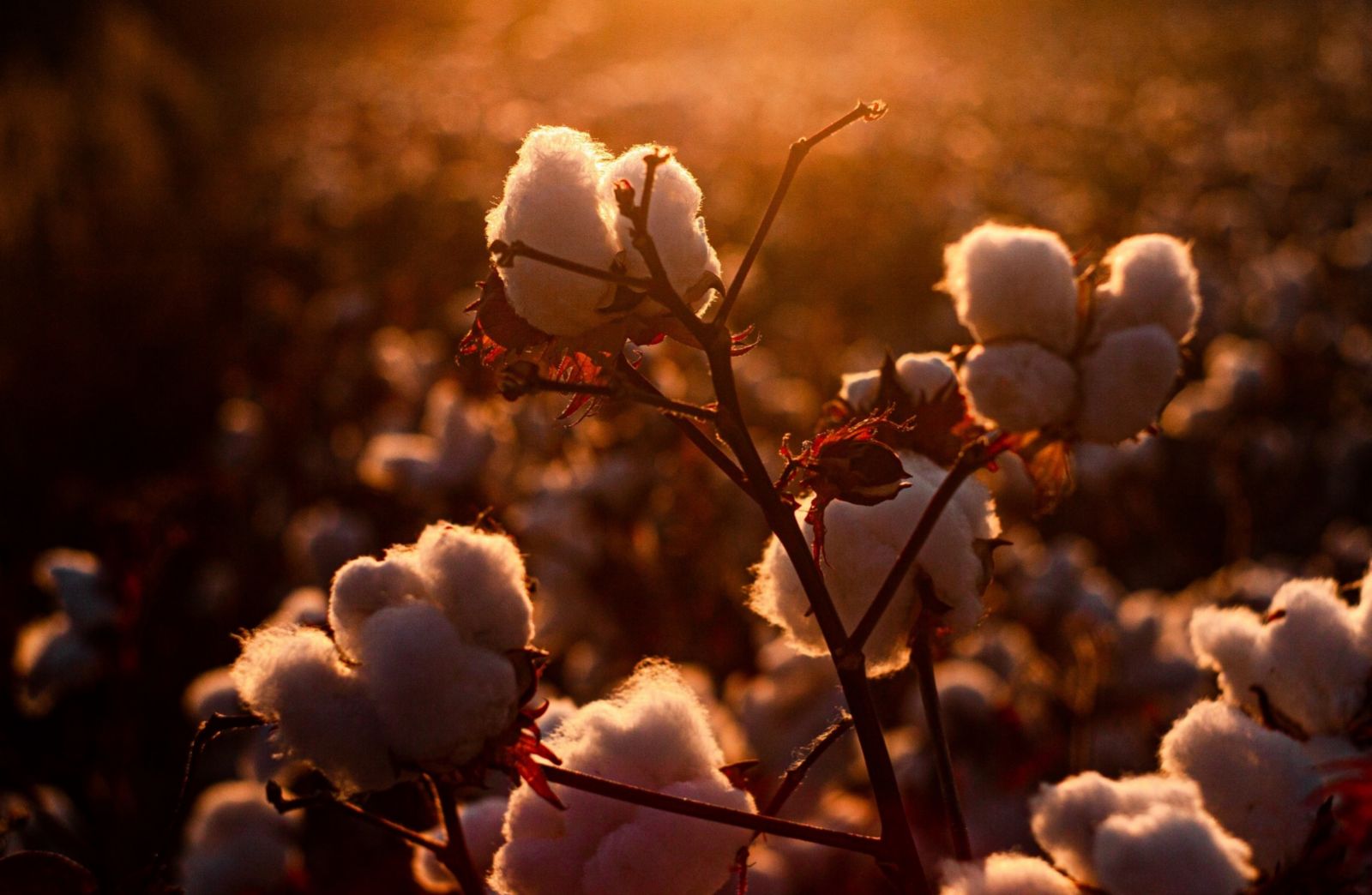
One of the most striking examples of agriculture’s visual transformation is the İzmir Agriculture Technology Center’s social media account, which masterfully combines aesthetic and informative content. The account makes content at the intersection of agriculture and technology more engaging through carefully selected visuals. While inspiring audiences with little knowledge of agriculture and technology, it also serves as an up-to-date and educational resource for professionals working in the field. At the same time, combining photographs with graphic design elements strengthens the communication of information and enriches visual perception. Photographs of real fields, plants, and agricultural machinery are supported by graphic elements such as infographics, relevant icons, and small text boxes. This approach not only provides viewers with an aesthetic experience but also simplifies complex information and makes it easier to understand. Particularly on visually oriented platforms such as LinkedIn and Instagram, this creates a compelling communication language. By conveying both professionalism and sincerity, it appeals to professionals as well as general audiences. Combining the emotional impact of imagery with the informative power of graphic elements creates a two-way effect in social media communication: both informing and evoking emotion.
Today, agriculture creates connections not only between producers and consumers but also between viewers and content creators. Agricultural accounts with millions of followers on Instagram, viral farming videos on TikTok, and “organic living diaries” watched for hours on YouTube are among the best examples of agriculture transformed through storytelling. Hashtags also play an important role in activating these narratives. Tags such as #FarmLife, #SustainableFarming, and #KöyHayatı help content to be discovered and categorized.
Presenting agriculture on social media through photographs and compelling compositions adds significant visual value to the sector, but it also raises certain ethical questions. Idealized images created through elements such as lighting, colour, and composition can often overshadow the real challenges of production and the labour involved. For this reason, when visualizing agricultural activities, reflecting reality responsibly and transparently alongside aesthetic considerations is critically important for maintaining the sector’s credibility.
The concept of Agriculture 5.0 is shaped not only by artificial intelligence and automation but also by how these systems are communicated. Today, agricultural drones equipped with cameras are used not only for analysis but also for content creation. Some farms even offer “virtual field tours” through virtual reality headsets. In addition, blockchain and NFT technologies enable digital certificates for agricultural products to be shared on social media (Dilmen, İyigüngör, Alamaslı, & Kılıç, 2022). These digital certificates can be transformed into visual content designed specifically for social media. For example, visual information cards could be published with messages such as: “This wheat was grown in Mustafa Bey’s field in the Menemen Plain of İzmir. Every stage, from harvesting to quality analysis, was recorded on the blockchain. An NFT certificate registered on the blockchain and the wheat’s digital identity card!”
Agriculture is no longer only the labour of rural producers; it has also become an experience on the viewer’s smartphone. Through social media, agriculture has become both aesthetically engaging and informative, making previously unseen labour visible.
The Farmer’s Frame: The Cinematic Face of Agriculture Through Social Media
When a farmer heads to the field before sunrise, they may now carry not only a hoe but also a camera. Agriculture, once a quiet and largely unseen activity, has gained visibility today through cinematic storytelling on social media.
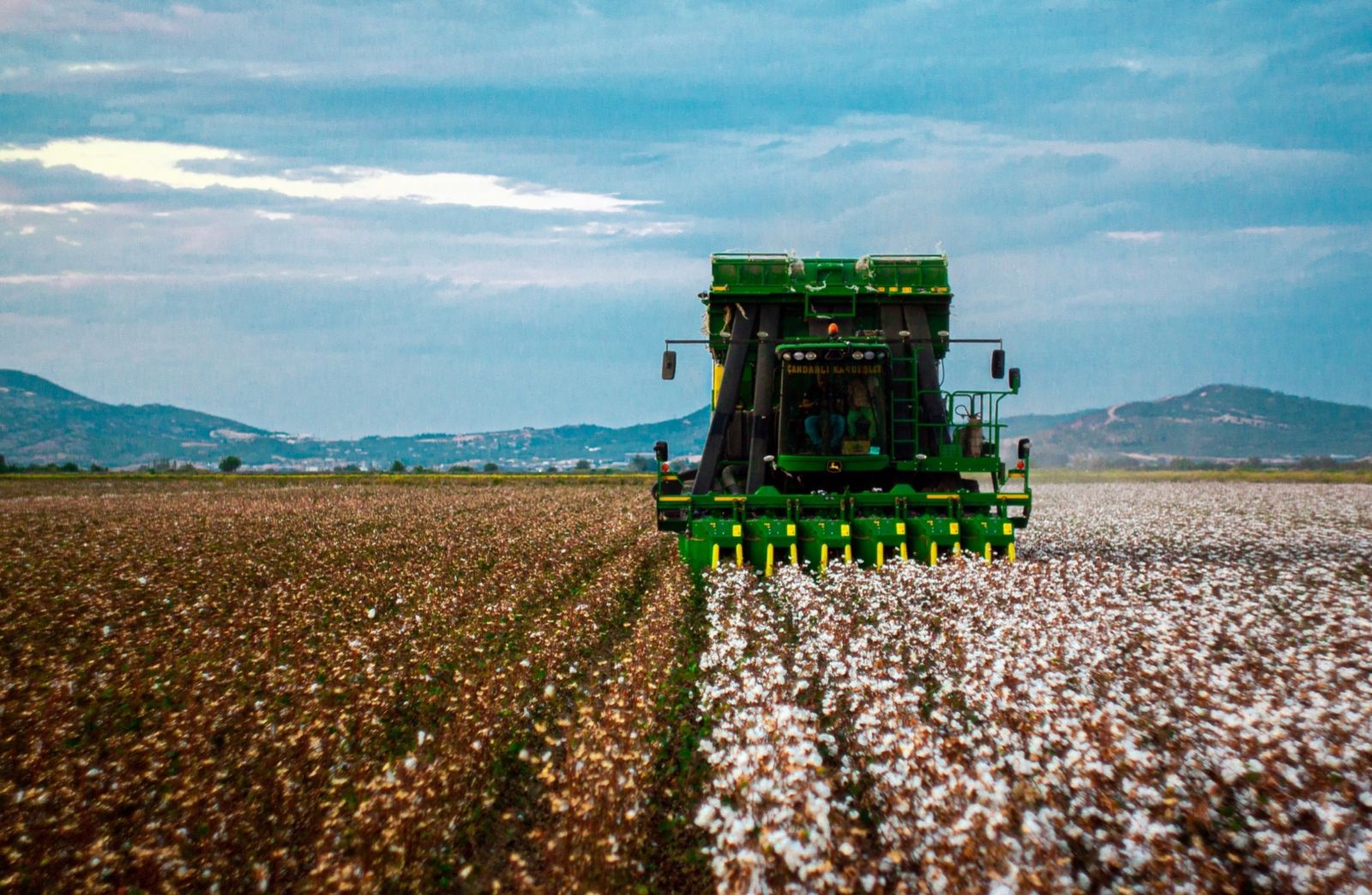
Social media has taken rural life beyond simple documentation and transformed it into a field of visual storytelling. Scenes such as soil rising in the wind at first light or straw flying behind a combine harvester have become cinematic narratives on social media.
A smartphone, a stabilizing gimbal, a small lavalier microphone, and natural light: today, these four elements in the hands of a farmer can produce content with a Hollywood-like aesthetic. A harvest filmed at sunset through the window of a tractor can create a visually and aesthetically satisfying experience both for the viewer and for the person documenting it.
However, this emphasis on visual appeal may also introduce the risk of manipulation. The concept of the “aesthetic countryside”—presenting rural life only through its attractive and positive aspects—can often obscure the challenges and difficulties of agriculture. Rural areas may be presented as scenery rather than living environments, potentially misleading viewers. While real labour and production processes become invisible, audiences are left with nothing more than an embellished rural fairy tale. Remaining faithful to reality is the ethical boundary of cinematic storytelling.
Brand collaborations are highly important for visibility and awareness on social media. Some organic product brands enter into sponsorship agreements with farmers to support content creation. While these collaborations provide financial support to farmers, they also contribute to strengthening the sector’s digital presence.
From Soil to Screen: The Digital Evolution of Agricultural Content
Lives once known only along village roads are now being transformed into digital content reaching millions of people. In this sense, agriculture has become both a physical and a digital field of labour.
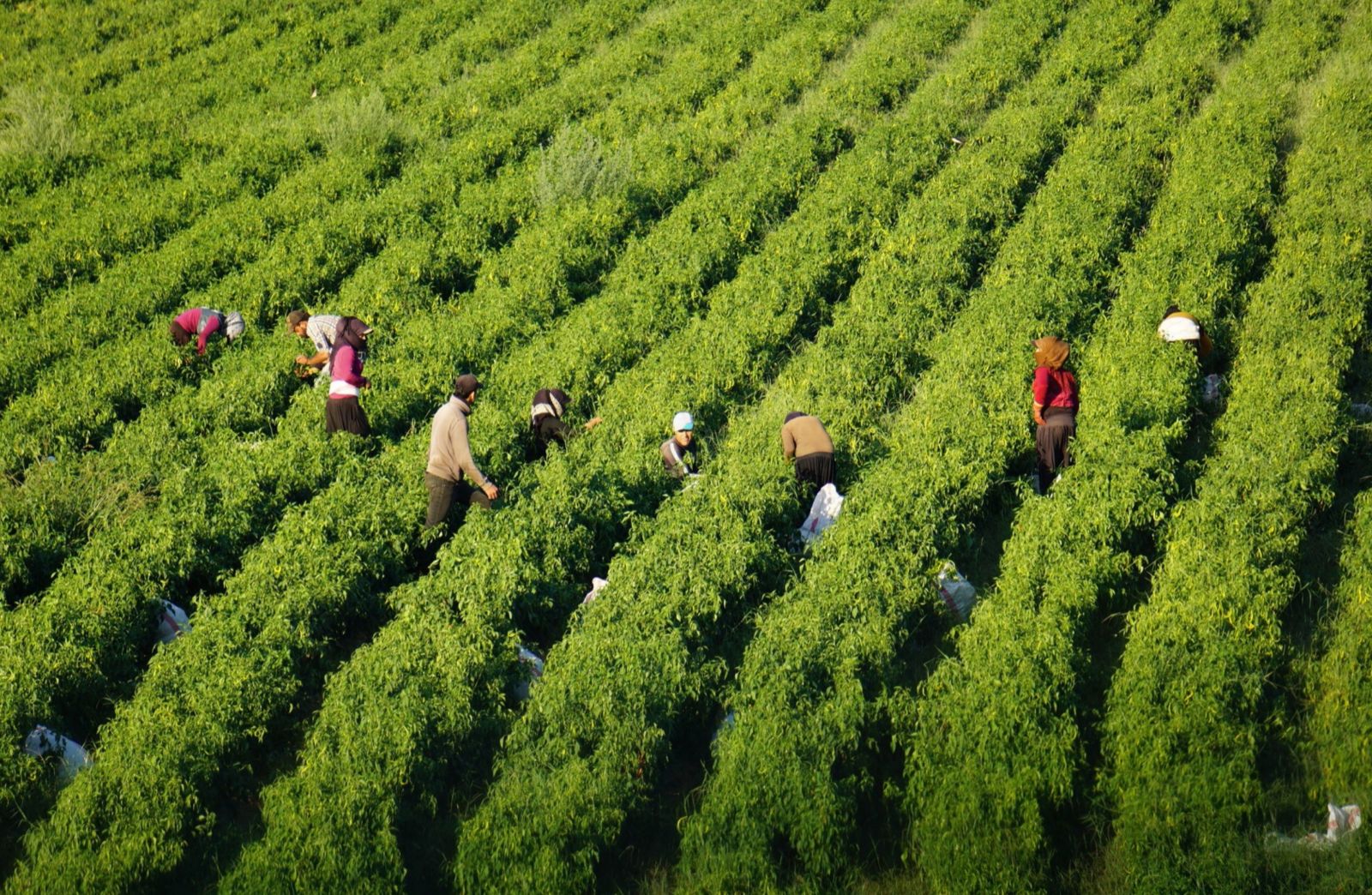
Content series on YouTube showing a day on the farm in detail, short TikTok videos featuring agricultural and livestock activities, and Instagram Reels sharing daily work in the fields are notable examples of this transformation.
Panoramic drone footage, macro-lens shots revealing the texture of the soil, and time-lapse videos showing plants growing… All of these techniques contribute to presenting agriculture through a cinematic aesthetic.
An Instagram “village diary” showing a leisurely breakfast often fails to reveal that a real farmer may work 12 hours a day. Producing content that is grounded in reality while remaining creative is therefore extremely important for both credibility and visual appeal.
This journey from soil to screen is not merely a transformation; it is also a revolution. Through social media and modern filming techniques, agriculture can once again be communicated to urban audiences in new and compelling ways.
Moreover, this transformation creates not only visibility but also respect. Thanks to social media, the farmer is no longer merely a producer, but also a storyteller.
References
Dilmen, N., İyigüngör, T., Alamaslı, I., & Kılıç, M. (2022). From Lithography to NFT: A Study on the Transformation of the Concept of Art Through the Possibilities of Technology and NFT Technology. Türkiye İletişim Araştırmaları Dergisi(41), 255-275.
Blog Photos
Writer : Zeynep Südinç Karataş
Unless otherwise stated, this published article does not reflect the views of the Izmir Commodity Exchange. 


