

Those Who Produce from the Soil and Tell Their Story Digitally Win
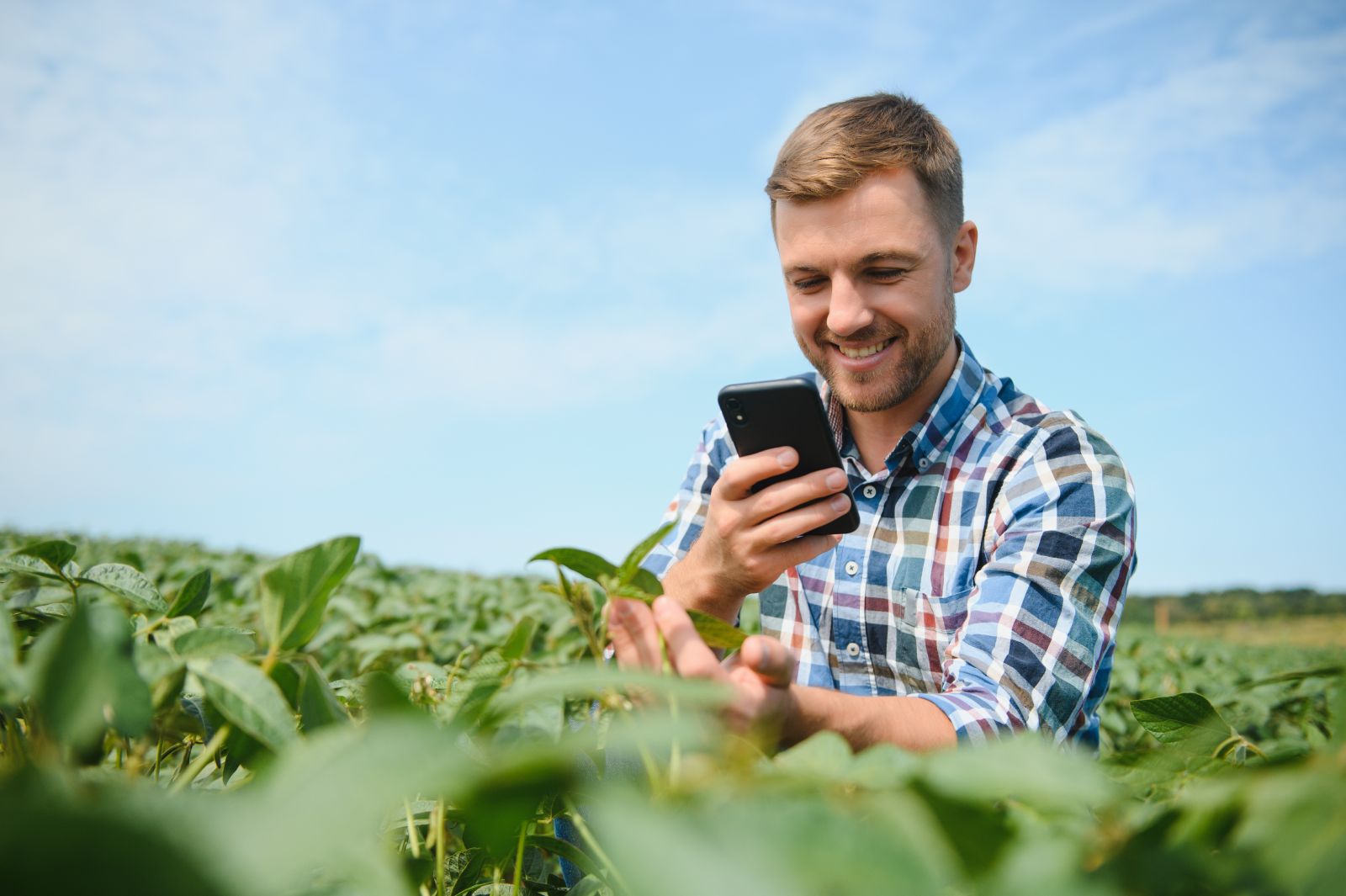 The world is changing. Just as we witnessed during the pandemic, many aspects of life—from production and consumption to marketing and communication—are being reshaped. The agricultural sector is also experiencing its share of this transformation. Today, simply sowing seeds and growing crops is no longer enough; businesses need to be visible, recognized, trusted, and preferred. This is where one of the most powerful tools comes into play: social media.
Technology is advancing so rapidly that keeping up with innovations is becoming increasingly difficult. Over the past 25 years, our lives have become largely digitalized. This transformation accelerated even further during the pandemic. Today, it is almost impossible to carry out even our daily tasks without technology. Smartphones have become an indispensable part of our lives. From banking and shopping to following the news and communicating about healthcare, we rely on digital applications for almost everything. This makes adapting to technology an essential part of modern life.
The agricultural sector worldwide is also undergoing a rapid digital transformation. Data-driven “Smart Agriculture” applications, the Internet of Things (IoT), artificial intelligence (AI), and robotic systems are becoming an integral part of agricultural production. These technologies have the potential to increase productivity while reducing costs. For example, sensors and decision-support systems enable farmers to optimize the use of water, fertilizers, and pesticides according to actual requirements. Analyses indicate that businesses adopting digital agriculture practices can achieve approximately a 20% increase in productivity and savings of up to 30% in input costs (Tarımdan Haber, 2022).
In the past, businesses commonly embraced the idea that “If the product is good, it will find its buyer.” Today, however, regardless of how high-quality your product may be, if you are not visible in the digital world, you are virtually “non-existent” in the marketplace. Particularly in the post-pandemic period, consumer behavior and expectations have changed fundamentally. Customers purchasing food and agricultural products now want to know the producer and understand where and how the product was produced. A comprehensive study conducted in Türkiye in 2022 revealed that 89% of consumers wanted to know where, under what conditions, and with which raw materials the food products they purchased were produced. Furthermore, 83% of consumers stated that they trusted brands providing this level of transparency more (Gıda Perakendecileri Derneği, 2022). These findings demonstrate how decisive traceability and transparency have become in the modern agricultural economy. Agricultural enterprises embracing digital transformation can meet this demand for trust by sharing the stories and values behind their products online. As a result, in the digital age, producers who cultivate their land with the support of digital knowledge—in other words, those who both produce and communicate their story digitally—stand out.
One of the most visible and influential aspects of digital transformation is undoubtedly social media platforms. For agricultural enterprises, social media has become not only a marketing channel but also a communication showcase and a powerful tool for building trust. Today, every stage of the journey from farm to table can be shared on social media and communicated directly to consumers. This enables agricultural businesses to communicate the quality of their products, production conditions, and the effort involved in production to broad audiences through their own narratives. Moreover, using social media does not require large budgets. Free accounts and low-cost advertising campaigns allow even small-scale businesses to promote their products without making substantial investments. Digital marketing experts also emphasize that social media provides the advantage of reaching target audiences directly and on a broad scale.
Through platforms such as Facebook, Instagram, X (Twitter), and YouTube, agricultural entrepreneurs can both reach broader audiences and conduct more targeted marketing based on specific interests (Özay, 2024). In this respect, businesses must recognize ongoing change and adapt to it quickly in order to maintain their presence and remain profitable. Businesses that fail to adapt to digital transformation miss new opportunities, lose brand visibility, and fall behind their competitors.
Next-Generation Marketing in Agriculture: Tell Your Story

Agricultural enterprises are no longer simply selling products; they are building communities. They establish relationships with their followers, take action based on their feedback, and grow together with them. This represents an extremely valuable transformation for the future of agricultural businesses. Today, what people talk about is no longer merely a product’s price, color, or size, but its story. It is not simply the product that is marketed, but the experience surrounding it. Social media provides the most powerful stage for presenting this experience. A producer can introduce both the product and themselves through a photo taken while entering the greenhouse in the morning, a Reels video showing the growth of tomatoes, or a photograph of a cup of tea enjoyed after working in the field. The important point here is not simply to share, but to tell the story effectively. Being active on social media is not only a way for agricultural enterprises to reach consumers; it is also a key factor in differentiating themselves within the sector. Which products grow in which season, what challenges are encountered, which methods are used... Businesses that communicate all these aspects in a simple, sincere, and trustworthy manner attract greater attention. Consumers are no longer interested only in “what” they buy, but also in “who” they buy it from. In the past, traditional intermediaries and marketplaces were essential for reaching consumers. Today, a farmer can create their own brand through an Instagram account and reach thousands of followers.
For example, many young producers in Türkiye have built considerable audiences on Instagram or TikTok by sharing short videos from their fields showing the growth process of their products, harvesting moments, and even their daily work routines. This transparent communication builds a bridge of trust based on “faces and stories” that goes beyond packaging.
Producers around the world are similarly making effective use of social media. In Canada, dairy farmers launched a movement on the X platform using the hashtag #Farm365, sharing daily posts throughout the year about animal care, sustainable agriculture, and modern farming practices (Türkiye Tarım ve Orman Dergisi, 2025).
This initiative helped establish a direct connection between urban consumers and farm life. Similarly, farmers in various countries are reaching millions of viewers on TikTok and similar platforms by showing everyday life on their farms.
According to the Associated Press, some producers have built substantial followings on TikTok or Instagram and even generate additional income from their social media presence, while others use these platforms to reach local restaurants and market customers directly.
Social media also delivers tangible benefits in terms of marketing. Direct communication with customers enables businesses to receive rapid feedback. As consumers ask questions and leave comments about products on social media, producers can use this feedback to improve their operations. Social media allows producers to monitor customer demands and market trends in real time and improve their products and services accordingly. This provides them with a significant competitive advantage. For example, when a cooperative shares photographs of newly harvested fruit on its social media account, it can immediately assess which products are attracting greater demand based on followers’ likes and comments. This makes it much easier to keep a finger on the pulse of the market (tarımpozitif).
Conclusion: Those Who Produce from the Soil and Tell Their Story on Social Media Win
Today, it is not only those who cultivate the soil but also those who make effective use of digital channels who succeed. For agricultural enterprises, social media is no longer merely a showcase; it has become a productive business environment in its own right. Businesses capable of telling their stories, making their products visible, and building trust with people contribute to the growth of both their own businesses and their local economies. Agricultural enterprises are becoming not only more effective producers but also the communicators of their own brands. This comprehensive transformation is fundamentally changing the traditional structure of agriculture, creating a more competitive, sustainable, and connected sector. In short, businesses that produce from the soil and communicate their stories digitally will be the winners in the agricultural world of tomorrow. The future of agriculture will be shaped not only by the amount of yield achieved but also by the relationships established and the stories told in the digital arena. Businesses that move forward with transparency, consistency, and sincerity will not only write their own success stories but also become pioneers of positive transformation throughout the agricultural sector.
We should never forget: if producing from the soil is a skill, telling the world about it is a necessity.
References
Özay, M. (2024, August 2024). Digital Marketing Guide for Agricultural Entrepreneurs. Dopinger Blog. Accessed: July 6, 2025
Gıda Perakendecileri Derneği. (2022, June 20). Transparency and Traceability Consumer Survey 2022 Results Announced. Gıda Perakendecileri Derneği. Accessed: July 6, 2025
Türkiye Tarım ve Orman Dergisi. (2025, February 5). Livestock Sector and Social Media. Türkiye Tarım ve Orman Dergisi. Accessed: July 5, 2025
Tarımdan Haber. (2022, June 24). Information Pollution in Agriculture and Agriculture 4.0. Accessed: July 6, 2025
tarımpozitif. Use of Agricultural Data on Social Media. Accessed: July 5, 2025
Blog Photos

Writer : Gözde Çapak Ferik
Unless otherwise stated, this published article does not reflect the views of the Izmir Commodity Exchange. 


