
We Must Build Agricultural and Gastronomy Tourism for Our Future
The pandemic has brought about many changes and innovations in our country, just as it has around the world. New professions, new regions, new trends and new philosophies have begun to emerge one after another.
The world has been divided into two periods: before and after March 2020.
The new era that began with the pandemic also became a sign of major change and renewal for us as human beings. Fear of death confined people to their homes. A period began in which working life moved into the home and digitalization came to the forefront in every field. During this period, in which we experienced many unprecedented situations and uncertainties, people who had retreated into their homes out of fear of death were gripped by another fear: “Will we go hungry?”
The concern of whether people confined to their homes would be able to find food became the spark for new philosophies, new models and new trends:
“Escape to the countryside and produce your own food.”
After a while, people who stayed at home or moved to rural areas realized something else:
“It is impossible alone.”
People realized that they could neither live entirely on their own nor expect individual professions and businesses to provide solutions on their own.
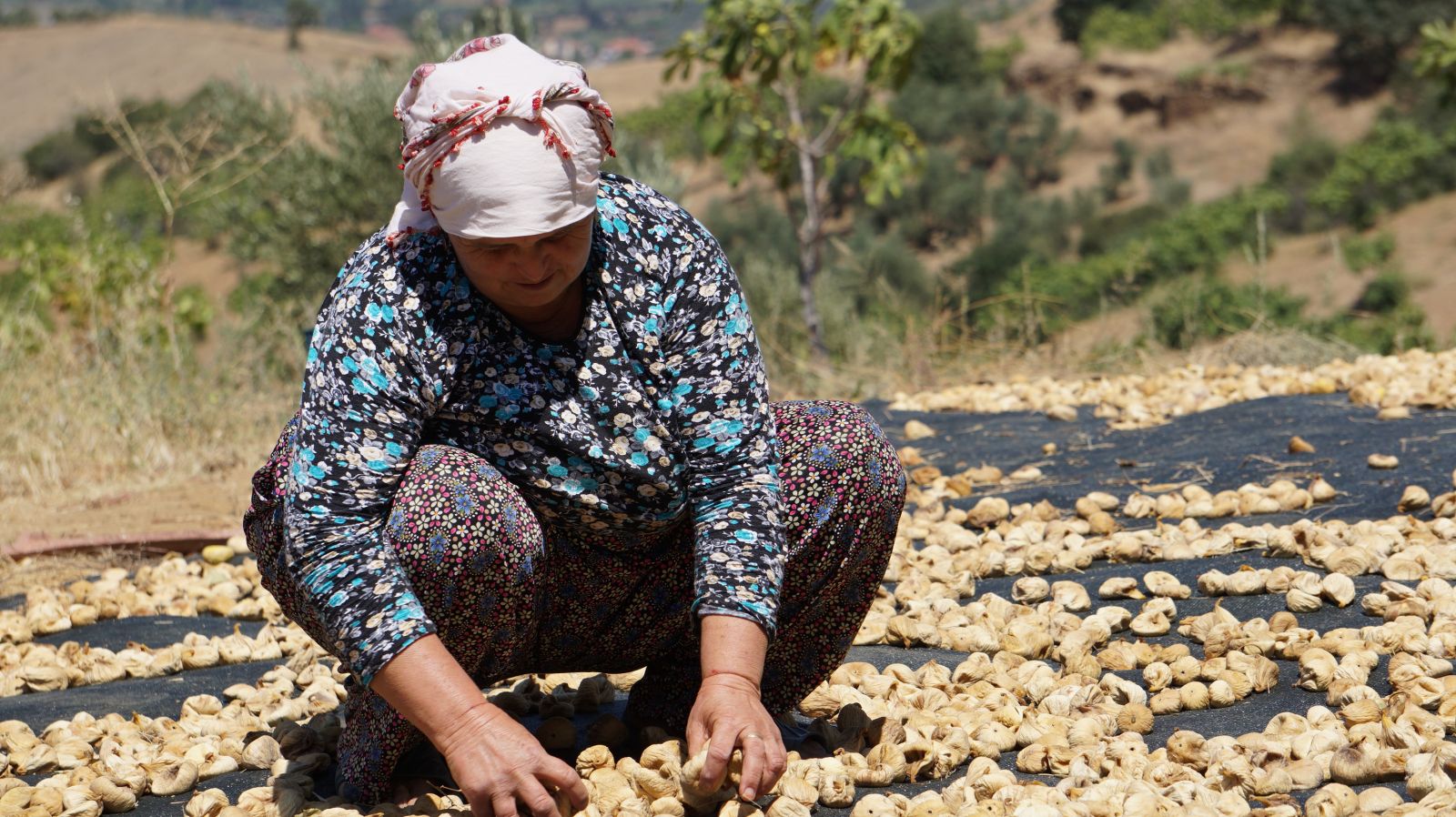
This was precisely the point at which the foundations of a new ecosystem began to be laid on solid ground. Agriculture-Food-Health-Tourism-Technology have now become parts of a single ecosystem. Many countries and societies have begun to regard these areas as inseparable components of the same system.
Growing and changing individual expectations have also become one of the most important driving forces of this ecosystem. In this new era, the largest and smallest companies, or the largest and smallest countries, can find themselves competing directly with one another, and the smaller player can even bring the larger one to its knees.
The pandemic demonstrated that the future is unpredictable. Therefore, we must not forget the need to look ahead more accurately and stand on firmer ground.
Tourism has also emerged as one of the sectors deeply affected by the pandemic, and new trends appear likely to profoundly influence the tourism system of the coming period.
Individual travel and small groups have already begun to stand out clearly in place of large-scale events.
We are now seeing far more people simply taking their backpacks and heading to the countryside with their spouse or a friend.
The desire of people seeking authentic experiences is extremely strong.
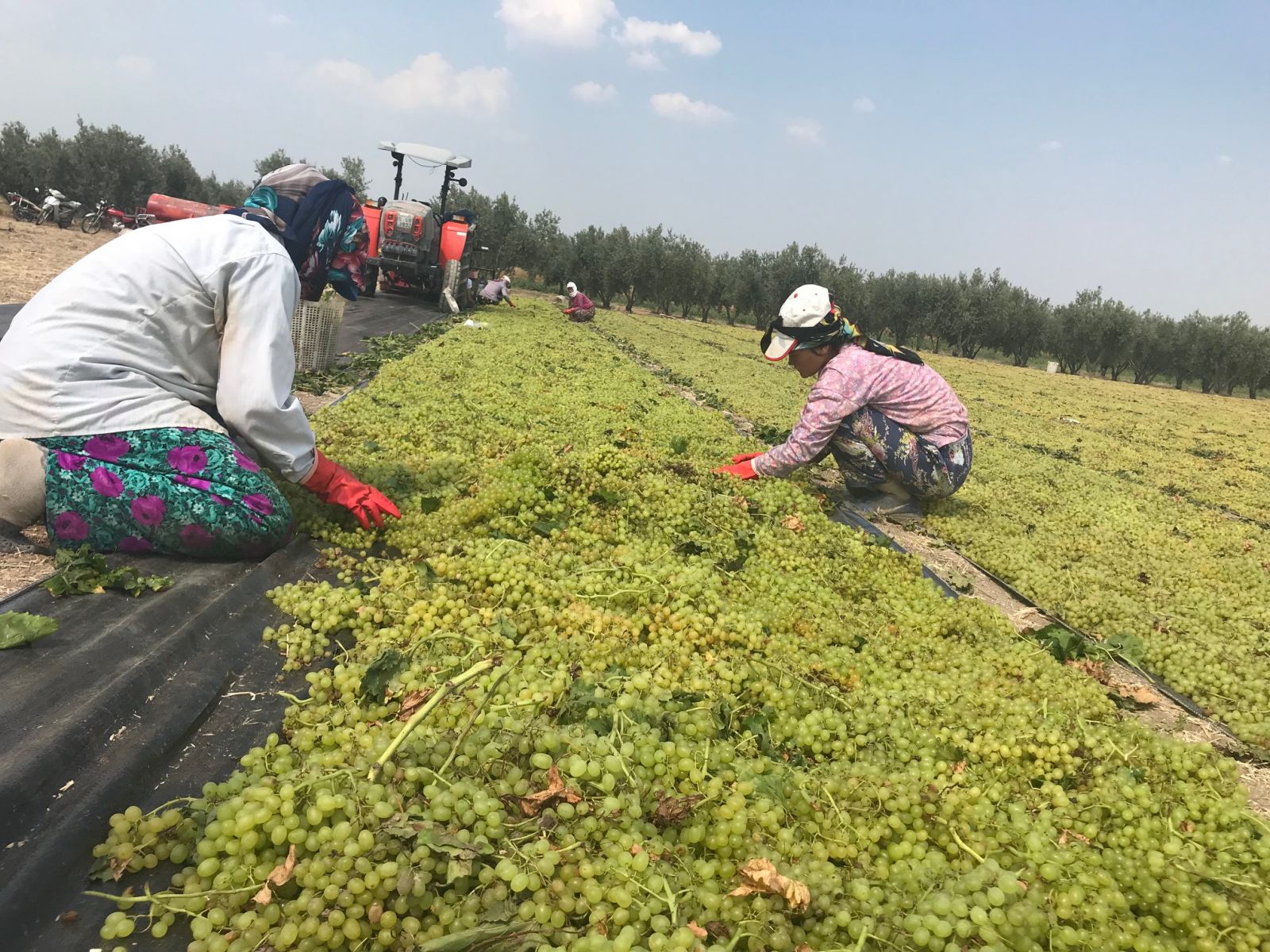
Taking a basket and picking tomatoes directly from the field, harvesting olives, bottle-feeding lambs, changing the animals’ feed, collecting eggs from the henhouse and even purchasing the products gathered during these activities all represent incredible experiences.
These experiences are ideal both for those who simply want to enjoy them and for those who experience them and begin to wonder, “Could I establish a farm of my own?” Visitors may choose to pick produce in the field, enjoy a meal, pay for the products they have collected and return home in the evening, or they may choose to stay overnight after doing all of these activities. Both options are possible. When producers or farms also sell their own jams, preserves, pickles, tarhana, bread and similar products at their own sales points, an attractive and integrated system emerges.
The idea of harvesting produce in the field during the day, enjoying dinner at a local restaurant in the evening and then staying in a tent, bungalow or the increasingly popular mobile “Tiny House” has begun to gain ground over staying in crowded five-star hotels.
When additional experiences such as visiting hidden gems in the surrounding area, hiking local trails, participating in workshops, interacting with local communities, experiencing different cultures, exploring one’s roots, tasting different cuisines and discovering local values are added, an extraordinary diversity of experiences emerges.
Therefore, activities of this kind are also becoming one of the most important sources of income for farms. Farmers’ markets also have a promising future because of consumers’ desire for both experiential activities and direct access to healthy food. In our country, where the average age of agricultural producers is relatively high, farmers’ markets were among the areas negatively affected during the pandemic due to lockdowns and the risk of infection. This situation also strengthened the “Community Supported Agriculture Model”, which has yet to fully reveal its potential in our country, within the digital world.
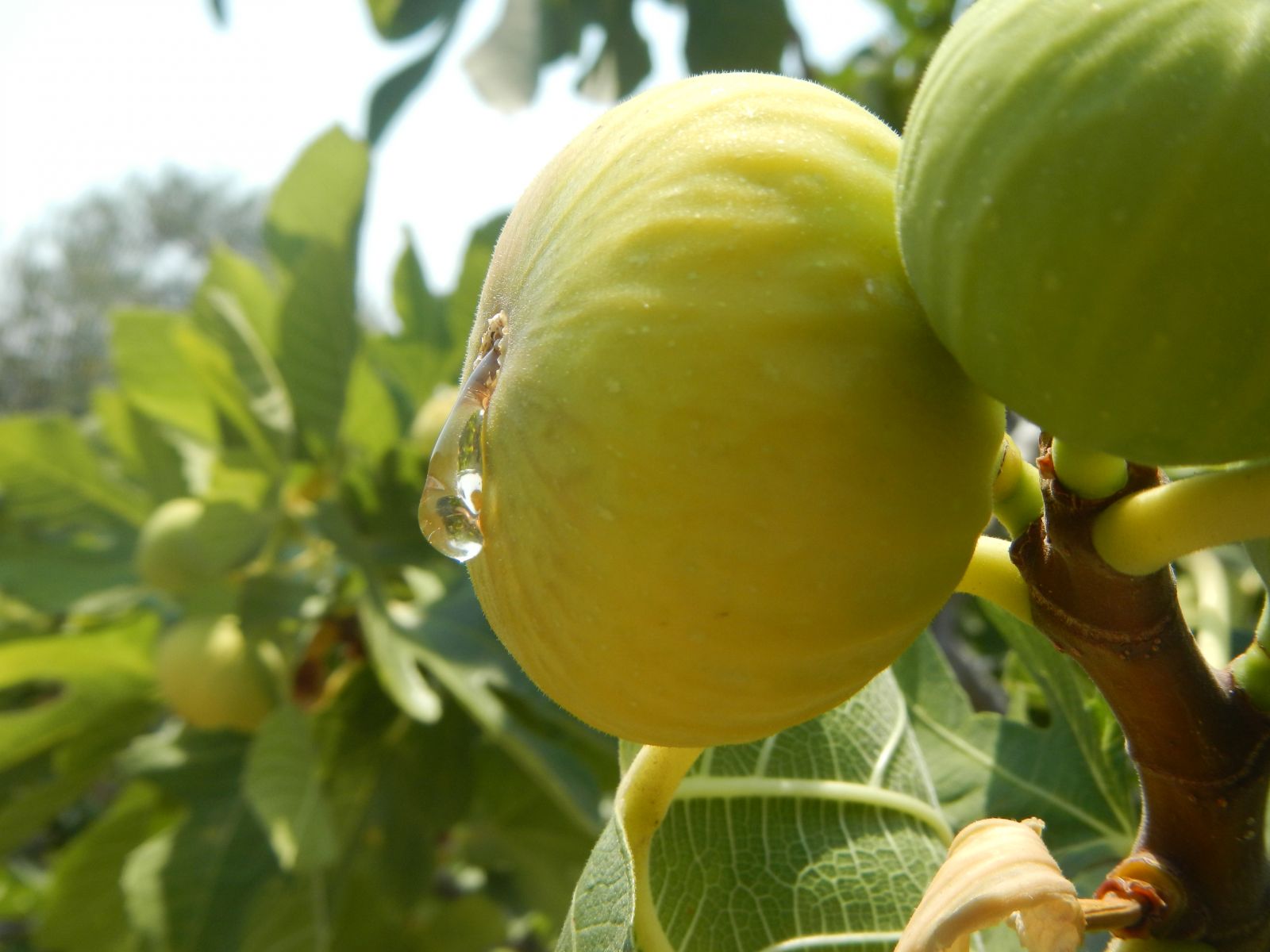
In a world where sustainable and reliable food is becoming increasingly important every day, the significance of local food and local producers for our country has once again become clear. From the perspective of agricultural production, all of these developments clearly demonstrate that small producers are needed just as much as large-scale producers.
With the pandemic, growing interest in artisans and local ideas has further increased the importance of activities that enable people to interact with their loved ones and friends.
According to FAO-based data, the agricultural tourism market was valued at USD 69.24 billion in 2019 and is expected to reach USD 117.37 billion by 2027. Countries are developing serious strategies to establish a stronger position in this market. At this point, increasing demand among tourists for affordable, nature-based and sustainable tourism represents a particularly important driving force.
It is widely acknowledged that tourism was one of the sectors most severely affected by the pandemic. However, agricultural tourism, as a sub-sector of tourism, has attracted considerable attention as one of the areas least affected by the pandemic.
At this point, changing climatic conditions, drought, maintaining a healthy planet, environmental protection, and access to fair and clean food have begun to shape and influence the tourism sector just as they influence every other sector.
“Urban Agriculture” also plays an important role in the growth of the agricultural sector, which is regarded as one of the development priorities of developing countries. Around the world, urban agriculture is used as a means of reducing the vulnerability of urban populations to environmental change. For this reason, many local governments today are taking steps to develop urban agriculture as an effective tool for responding to challenges such as poverty, food security, nutrition and environmental issues.
Creating a circular tourism model based on environmental sustainability, reducing the use of natural resources, promoting measures for water and energy conservation, being climate-friendly, prioritizing agricultural innovation and supporting digitalization in agriculture is now accepted by people around the world as an issue that transcends politics. Adding a high-quality, authentic and community-based tourism experience to this model would make it even more effective. Travellers who experienced authentic experiences through the digital world during the pandemic are now preparing to engage with them physically.
Models for community-based tourism, such as community-supported agriculture and food groups, are coming to the forefront. In different parts of the world, “Community-Based Tourism” models are increasingly being adopted by multiple nearby destinations.
Agricultural tourism enables regional economies to highlight what is distinctive and valuable about their regions, and it becomes more productive when it encompasses a broad range of activities combining tourism and agriculture.
“Agricultural tourism and technology must go hand in hand.”
Working life also evolved and changed with the pandemic. We have entered an era in which companies allow their employees to work from home, while some companies have even switched entirely to remote working systems. After spending more than a year indoors, people began searching for new alternatives and pursuing different experiences. For this type of work, all that is needed is electricity, internet access and a computer.
For people who are permitted to work remotely, an entirely different life experience is also beginning. In a sense, the traveller within them is awakening. These people call themselves “Digital Nomads.” Some countries acted quickly and introduced digital nomad visas into their legislation in order to attract these individuals. With a digital nomad visa, you could carry out your job in İzmir while living in Bermuda. The pandemic gave significant momentum to the digital nomad lifestyle, and some countries have taken advantage of this opportunity. Barbados, Bermuda, Anguilla, Estonia, Dubai, Georgia and the Cayman Islands are among the destinations that have begun offering nomad visas. Aruba and Croatia have also taken steps toward introducing nomad visas.
People no longer want to work within four walls. Many dream of living in the countryside. Our country offers extraordinary rural landscapes and opportunities that are difficult to find elsewhere. After completing their working hours during the day, digital nomads will want to go outside and experience their surroundings to the fullest. They will discover hidden attractions, consume local products and shop locally. Experiencing the culture and lifestyle of the region would be an invaluable experience for digital nomads.
Our country’s farms and rural areas are also highly suitable for the growing trend of experience-based travel. At this point, our country could easily develop a nomad visa model integrated with agricultural tourism. As one of the countries with significant potential for agricultural tourism, integrating “Digital Nomads” effectively into the development of agricultural tourism could provide major support to the sector.
Having integrated digital nomads into agricultural tourism, digital agriculture naturally comes to mind as well. In agricultural tourism, where minimizing physical contact can reduce many infection risks, we should not overlook the use of “Blockchain in Agriculture” technology.
A blockchain system integrated into agricultural tourism could prevent time losses, facilitate accommodation and food and beverage tracking, make the farm-to-table supply chain transparent, enable people to see the origin, story and, of course, quality of the products they consume, protect both parties through smart contracts, automatically place orders when supplies run out, reduce personnel costs and, most importantly, increase customer satisfaction.
At a time when “online product reviews” have become more widespread than ever as a result of the pandemic, focusing on the use of blockchain in agricultural tourism appears to have become another essential requirement.
We now know that in a world where experiences are coming to the forefront, new models are emerging, environmental factors are becoming increasingly important and healthy living has become indispensable, we must regard Agriculture-Food-Health-Tourism-Technology as inseparable parts of a whole and act accordingly if we are to move forward more effectively and strongly as a country.
Blog Photos
Writer : Bilge Keykubat
Unless otherwise stated, this published article does not reflect the views of the Izmir Commodity Exchange. 


